As part of an ongoing series, members of Flad's science and technology team share their insights on the future of the scientific workplace.
The Hypothesis:
conversations on scientific research environments
Key Design Considerations to Enhance Student- and Patient-Centered Experience at Veterinary Medicine Schools
As part of an ongoing series, members of Flad's science and technology team share their insights on the future of the scientific workplace.
 Rachel Nelan AIA, LEED APPrincipal
view bio >
 Jessica ThompsonAIA, CID, LEED AP
Architect/Planner
 Chad Zuberbuhler Assoc. AIAPrincipal
Planner
view bio >
Over the past two decades, the growing need for veterinarians has outpaced the number of veterinary medical school graduates. Prior to launching a new college of veterinary medicine (CVM) for South Carolina, Clemson University conducted a feasibility study, which predicted a national shortfall of nearly 15,000 veterinarians by 2030. That could leave 75 million animals without adequate care.
Coupled with dramatic advancements and increased expectations in both the delivery of care and the education of veterinary students, CVMs face an urgent need for new and upgraded clinical, diagnostic, and teaching facilities. Here we'll explore the growing demand and evolution of veterinary medicine, its impact on facility planning and design, and considerations for creating environments that provide the best experience for patients, clients, students, staff, and visitors.
A Growing Need From 1983 until 2014, the number of accredited CVMs in the United States remained unchanged at 28. That number has grown to 33 in recent years, but 23 states still lack a CVM, and schools are struggling to meet demand.
According to the American Association of Veterinary Medical Colleges' (AAVMC) annual report, the number of students enrolled at CVMs increased by 28% from 2016 to 2025. However, in that same timeframe, the number of annual applications nearly doubled from 6,600 to over 12,000. In 2025, the majority of schools (25 out of 33) received 10 applicants for each available first-year seat.
While the largest CVM class sizes are over 200 students, some schools welcomed classes of 100 or fewer last year, and many schools lack adequate space and resources to accommodate larger classes.
Veterinary Medicine's Evolution In addition to growing demand, the focus of animal healthcare has advanced beyond general practice and increased the emphasis on specialty care, advanced diagnostics, and treatments. Along with these expanded care options, clients now have greater expectations for the level of service, treatment options, and improved patient outcomes. Schools are also placing a greater emphasis on the success, safety, and well-being of both students and faculty support.
These developments are helping to advance veterinary medicine. However, the facilities at many CVMs predate these changes, which presents a variety of challenges to meet today's demands. Roughly a quarter of CVMs were established in the late 1970s or early 1980s, and many schools have not made major facility upgrades since then. The space and infrastructure to support the latest diagnostic and treatment technologies for specialty services are frequently unavailable in facilities built in the 1980s or even the 1990s.
Decades-old building systems and infrastructure can also make it difficult to meet institutional goals for sustainability and resilience and recruit and retain top faculty and students.
Given these complexities, there are many important design considerations to improve care and outcomes. We've worked with schools to upgrade and expand older facilities as well as plan new CVM campuses (both traditional and distributed teaching models). We'd like to share lessons learned from these experiences to help schools meet the complex needs of today and be prepared for tomorrow.
Strategic Campus Planning Considerations We have worked with many clients to develop a strategic plan for their instructional, clinical, and research missions at large state universities such as Purdue, Wisconsin, North Carolina State and UC Davis as well as private schools such as Tufts and Tuskegee. This strategic planning is a critical first step to ensure alignment of college and university vision, goals, and budget. It also allows the administration to begin planning for capital projects that will enable success by supporting the next generation of students and technology.
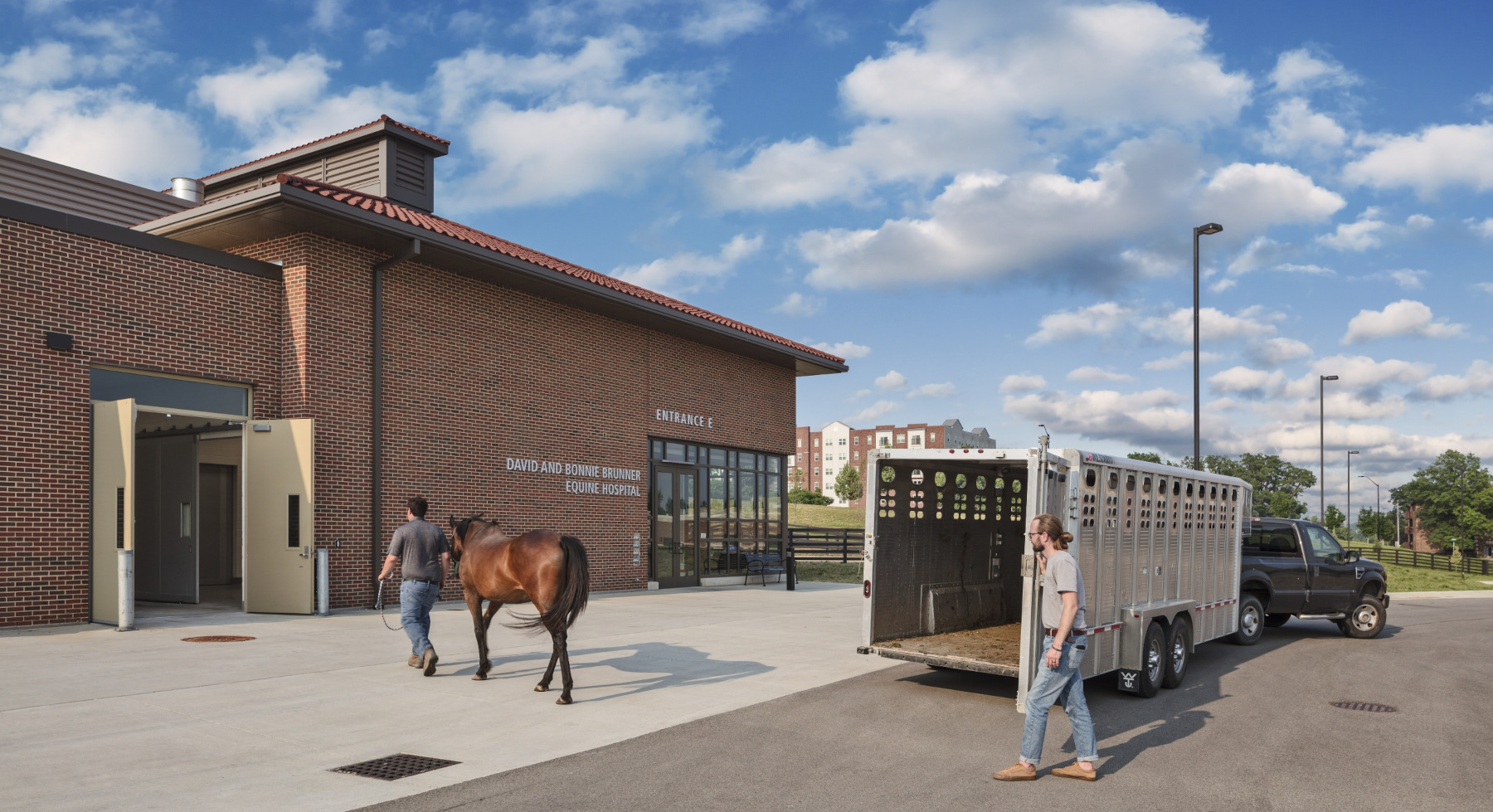
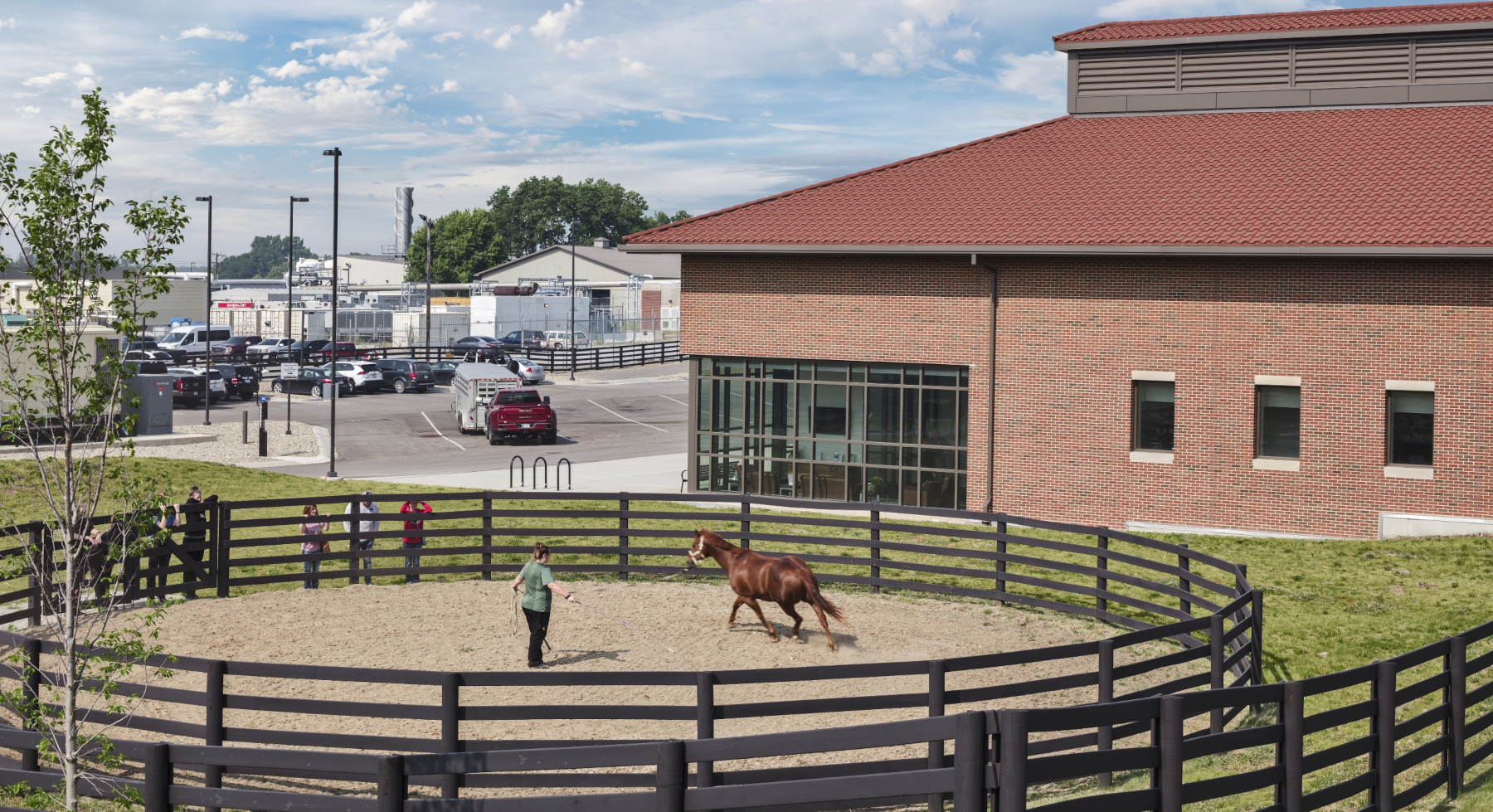
Whether planning significant additions or renovations to existing spaces, site planning has become a higher priority in recent years, with considerations for arrival, species separation, and safe and efficient circulation. This includes dedicated outdoor animal space for both diagnostic and animal well-being. Movement and handling of animal patients are at the core of what makes CVMs unique among teaching colleges and hospitals. Equine and farm animal patients create additional requirements for trailers and mitigation of noise, odor, and traffic to minimize campus disruption.
For a recent project at Purdue University that included new small animal, equine, and farm animal hospitals, site planning emphasized clear separation for large and small animal entry and parking. This creates stress-free arrival for both clients and animal patients. Additionally, dedicated pedestrian walkways ensure student and staff safety as they navigate the campus.
Space Planning Requirements One of the most common challenges of decades-old veterinary medicine facilities is existing space that simply can't accommodate modern specialty services and equipment because of low floor-to-ceiling heights, inadequate space, and lack of infrastructure backbone to support smart hospital and teaching technologies.
When planning and programming CVM facilities, an important decision is determining which specialty services to include and the space and equipment that each will require. Space planning decisions are influenced by a variety of factors, including current resources and service priorities for patients in the region.
A modular approach to space planning can ensure spaces are adaptable as specialty care and associated equipment evolve. Space planning will also take into consideration which additional diagnostic and treatment technologies may be added in the future. For advanced imaging equipment, shielding and special floor and overhead structures should be planned for day one instruments and to accommodate future modalities. For example, equine-standing CTs are becoming more popular and require increased space, utilities, and technological infrastructure. The latest smart facilities also include IT infrastructure that integrates real-time data and advanced diagnostics to connect classrooms and clinical spaces to enhance patient care, student training, and staff efficiency.
Beyond the technical specs is the importance of enabling people to safely and comfortably navigate the hospital. For students and staff, this includes sightlines, working clearances, and clinical rotation sizes. For clients it means clear wayfinding, calming aesthetics, access to natural light, and spaces that balance privacy with visibility.
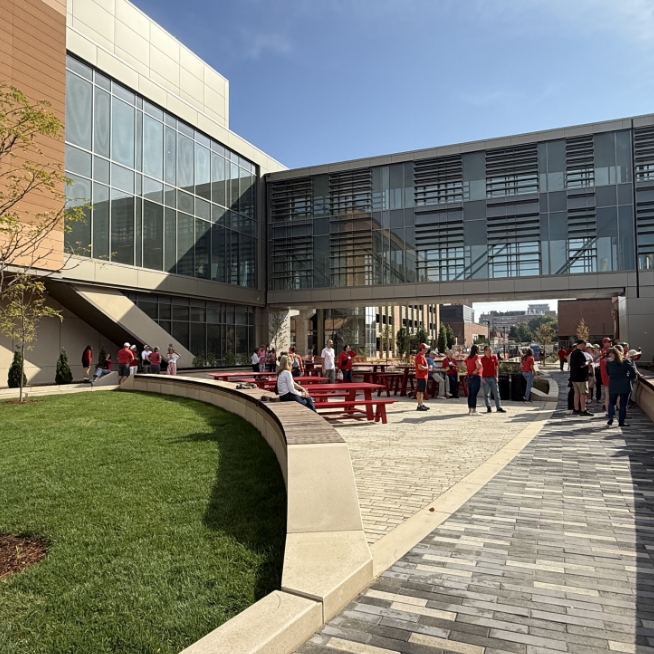
More than other campus buildings, veterinary hospitals offer a unique connection with the community. Outdoor space for college and university events serves as a community-building opportunity. For example, the newly renovated and expanded University of Wisconsin-Madison School of Veterinary Medicine enhances that connection with elements such as a landscaped courtyard and a green roof, which offer respite for patient visitors and opportunities for community events.
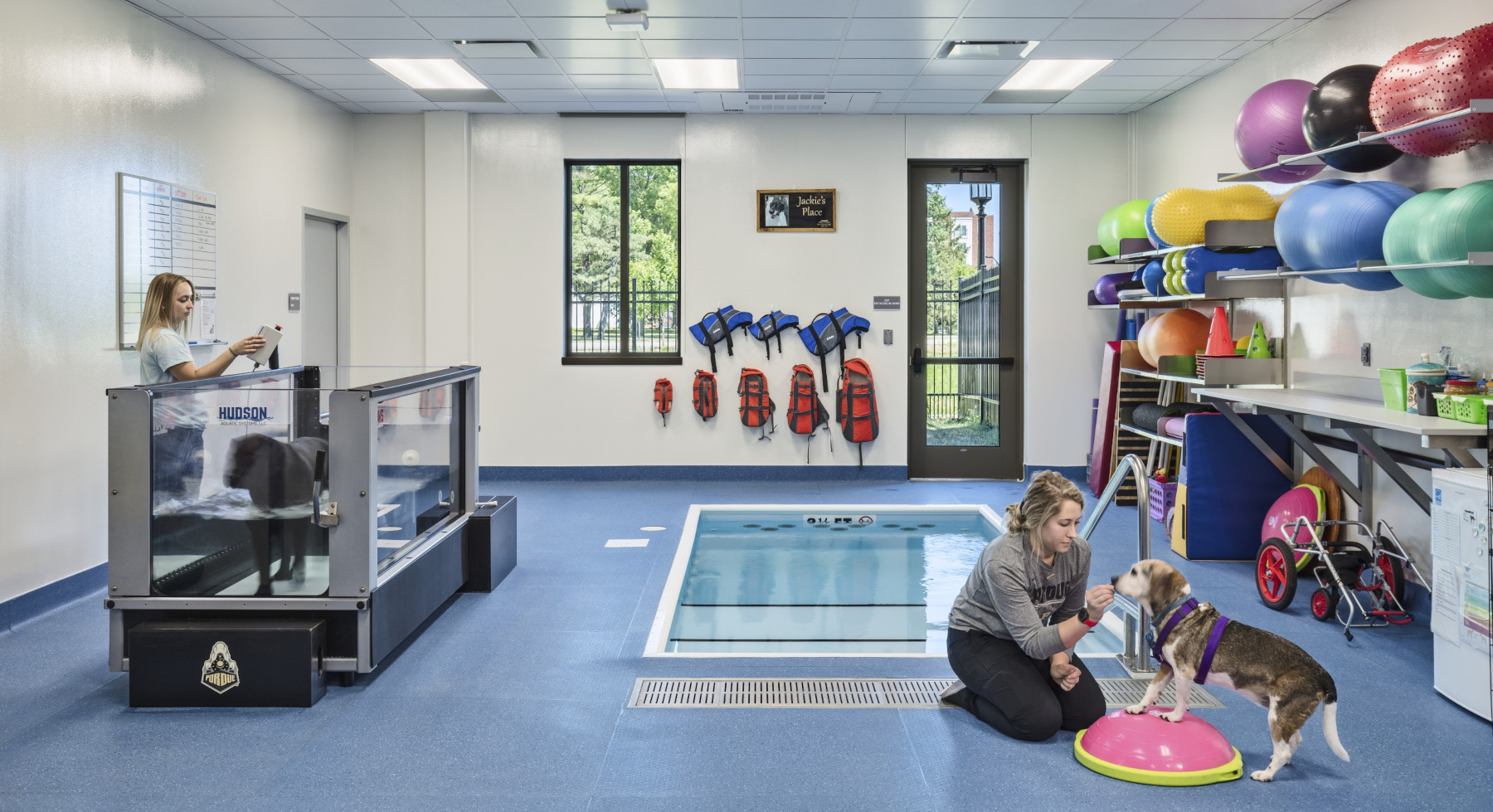
Improving Patient and Client Experience and Outcomes Establishing a positive experience for clients and animals is important. A visit to the animal hospital can be a stressful time for patients and their owners, but there are many ways to create a safe and welcoming environment.
For pets and their owners, the experience begins with arrival. Clinics and hospitals can offer cats a dedicated check-in and waiting area to support a fear-free experience. Sensory considerations include exam rooms that mitigate sound and light. If cats are admitted to the hospital, separate holding rooms also reduce stress.
For canine patients, there are also many methods for creating a calming, positive experience:
- dog-friendly site furnishings
- relief areas outside the front door
- visual barriers in the waiting room
- slip-resistant floor finishes
- sound mitigation
- treat stations
Additional considerations to support patient comfort, safety, and natural behaviors during their hospital stay include:
- sound-proofed kennels with natural light
- bathing facilities
- dedicated relief areas
- scheduled walks with staff members
- provisions for owner visits
All these factors help to reduce stress and improve health outcomes.
Building systems can also help to reduce patient stress with features such as dimming and light control, noise mitigation, natural ventilation where appropriate, as well as opportunities for enrichment. Systems planning and design will need to include automated ventilation for ORs and areas for isolation and animal holding to maintain infection control and biosecurity, while maintaining a comfortable environment.
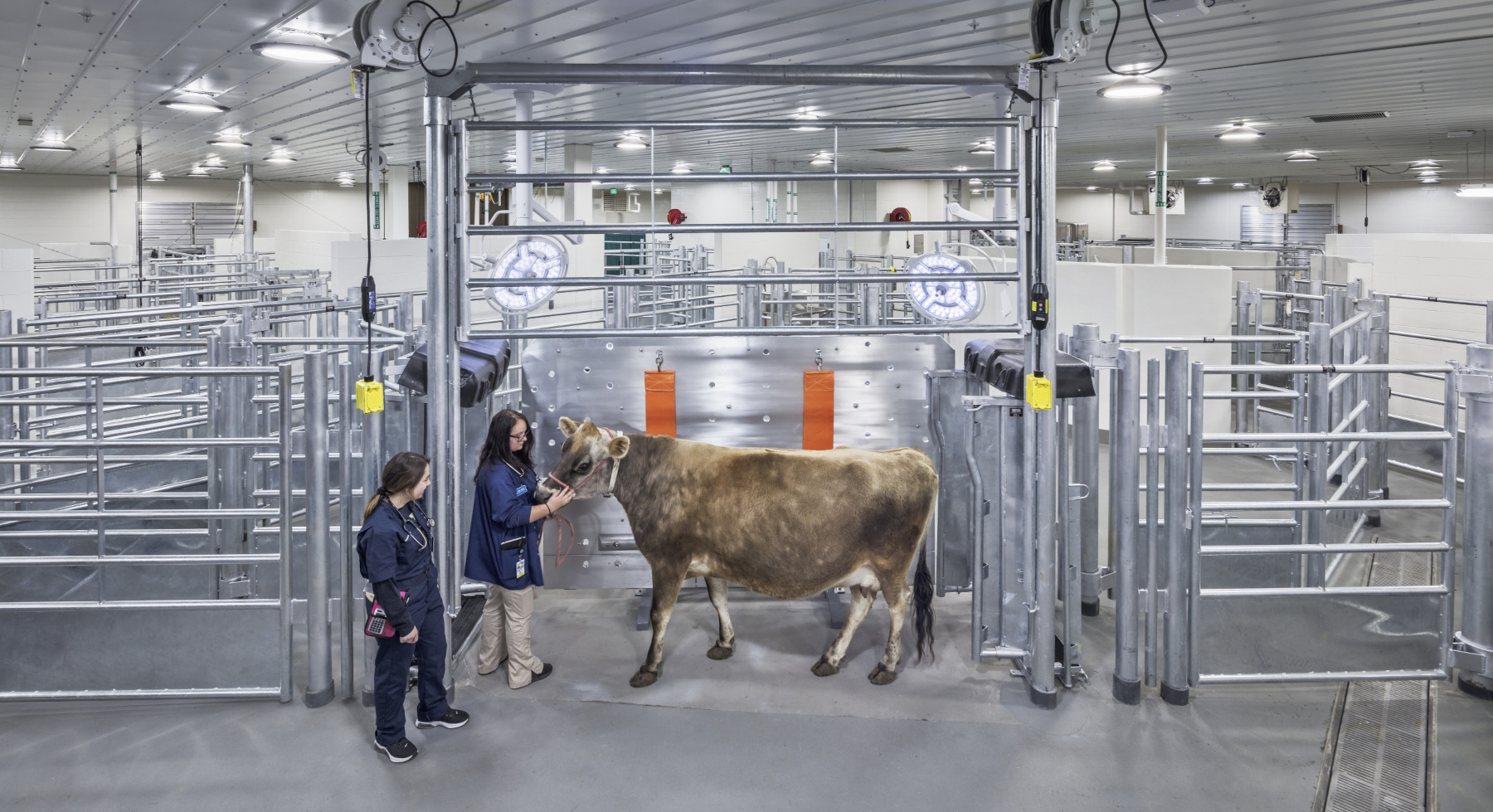
Clinical environments must meet rigorous safety requirements for animal handling and equipment for small animal, equine large animal, and farm animal species. For example, safe, well-designed gates and chutes in farm animal facilities protect students while providing effective handling systems that support diagnostics, learning, and animal welfare.
Enhancing the Student and Staff Experience Just as important as patient experience and outcomes are the experience and well-being of students and staff. The intense demands of veterinary medical education and clinical practice create stressful environments, and studies have shown that more than half of veterinary students have reported symptoms of clinical-level depression or anxiety. Hospital faculty and students can easily absorb the emotional toll that clients of critically ill pets experience. Because CVMs are frequently remote from central campus cores, students and staff may feel disconnected from the broader university community and associated amenity spaces that provide much-needed respite.
Building community and cultivating student and staff collaboration correlates with higher rates of student and staff well-being and retention. Planned collaboration spaces should enable interaction with the environment and other people, including visual and physical access among students, faculty, and student support services. Opportunities to promote a sense of inclusion and belonging that encourages occupant engagement should also inform space design.
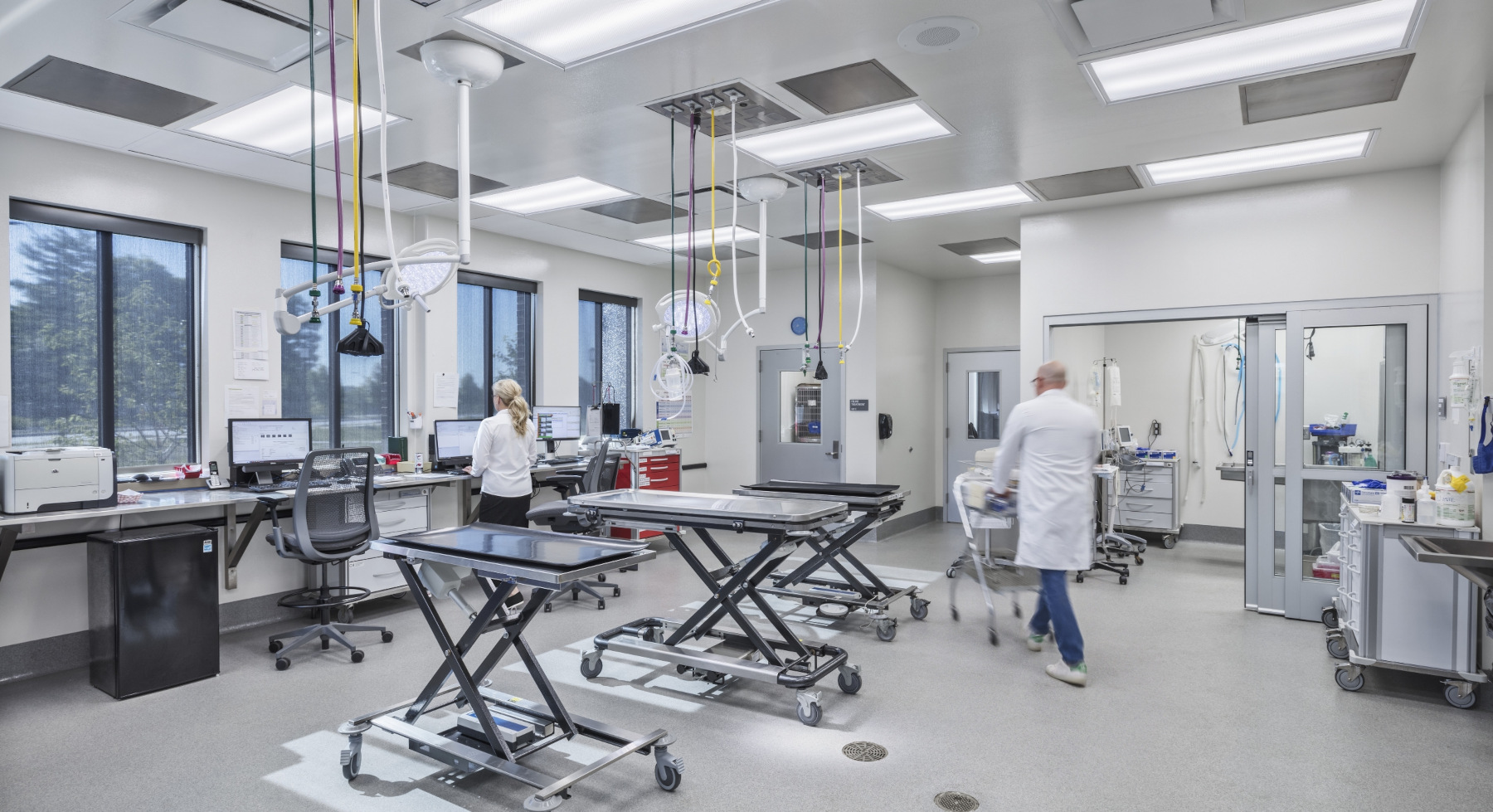
Diverse social, learning, and workspaces should support flexibility and self-selection to accomplish a wide variety of group and individual activities, both indoor and outdoor. For example, the emergency room at Purdue's SAH features accessible quiet zones; natural light; clear sightlines; ergonomic workstations; and organized, clutter-free spaces to support staff mental health.
Engaging students and staff as critical stakeholders in facility planning helps to ensure spaces will be designed to meet their needs. 3D planning technology can be used to create drawings that give students and staff the tools to better understand the space.
As many new veterinary medicine schools are planned over the coming years, there is an opportunity to meet the pressing need for modernized facilities. Meeting a shortfall of 15,000 veterinarians by 2030 will require colleges and universities to critically assess their current programs and facilities. Investment in new and aged facilities will be needed to deliver leading-edge education, diagnostics, and treatment. With comprehensive, inclusive planning that focuses on long-term viability for the success of student, faculty, and staff as well as improved patient outcomes, schools can lay a solid foundation for the success of future generations