Achieving Pharma 4.0 Demand with Innovative, Future-Ready Facilities
 Cole BrunsonAIA, LEED AP
Principal,
Plannerview bio >
 Javier GarayCAM
Principalview bio >
 Liam LowryAIA
Principal,
Design Directorview bio >
Led by growing patient demand, the pharma and biomanufacturing industry continues to experience unprecedented growth. Scientific and technological breakthroughs are enabling more accurate and accessible disease diagnoses and a greater variety of effective treatments such as biologics and personalized medicine. Demand for these treatments is also fueled by a growing and aging patient population and greater access to pharmaceutical treatments in emerging markets.
In response, the biomanufacturing industry is expected to grow from an approximately $650 billion industry to nearly $2 trillion over the next 10 years. In the past year alone, pharmaceutical firms have announced investments totaling over $330 billion in new manufacturing facility projects in the United States to meet demand.
This offers a momentous opportunity to improve manufacturing quality, efficiency, and regulatory compliance with thoughtful design that optimizes workflows, processes, and the experience for workers. With advancing science and technology, new, expanded, and renovated facilities will need to be designed to meet current demand and with the flexibility to adjust and/or grow to meet evolving space needs.
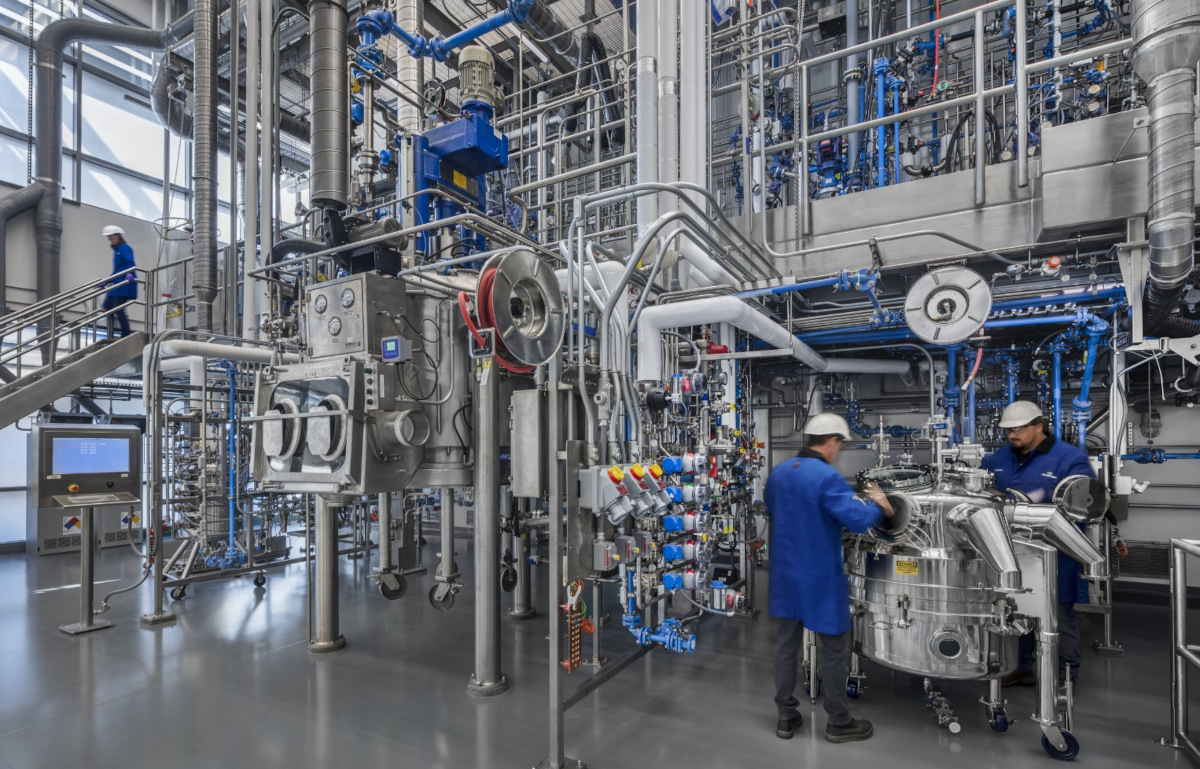
This includes planning for a growing number of spaces where humans will interact with advanced automation systems such as robotics, automated guided vehicles (AGVs) and automated storage and retrieval systems (AR/RS). Future-ready environments will also need to consider many other complex, interrelated factors such as digitalization and effective use of data, balancing increased energy demands with sustainability and resilience, and supporting the well-being, growth, and capabilities of the ever-evolving workforce tasked with delivering tomorrow's treatments.
Designing Facilities for Pharma 4.0 and BeyondToday's best-in-class biomanufacturing facilities are built on the foundation of Lean principles, which stress eliminating waste. This includes wasted effort, movement, time, resources, materials, and space. Early partnership with an experienced planning and design team will enable facility owners to maximize efficiency with thoughtful planning and design that considers workflows and strategic space adjacencies to effectively integrate support areas such as warehouses, quality control laboratories, and intentionally designed space for collaboration.
Quality and efficiency remain the cornerstones of successful facility design, and technology is opening doors for more possibilities. Biomanufacturing facilities currently incorporate some level of advanced technology and automation, such as robotics, data modeling, and artificial intelligence to improve efficiency, safety, and quality control.
Looking ahead, the latest technology has the potential to reshape these environments as companies work toward fully embracing Pharma 4.0. Representing the holistic implementation of digitalization, AI, big data, the internet of things, and other advancing technologies, Pharma 4.0 offers the promise to further increase efficiency by seamlessly integrating next-generation technology with Lean principles across all aspects of the pharmaceutical life cycle. Maintaining and improving operations and compliance with evolving regulations will be essential components of this transformation.
Fully automated, scalable equipment and integrated systems will enable more productive and resilient facilities. As data modeling advances from predictive to prescriptive, it lays the groundwork for real-time troubleshooting powered by AI. Data modeling helps support continuous manufacturing with tools such as digital twins, which offer more predicable diagnoses of maintenance issues, reducing downtime and wasted energy while increasing safety and productivity.
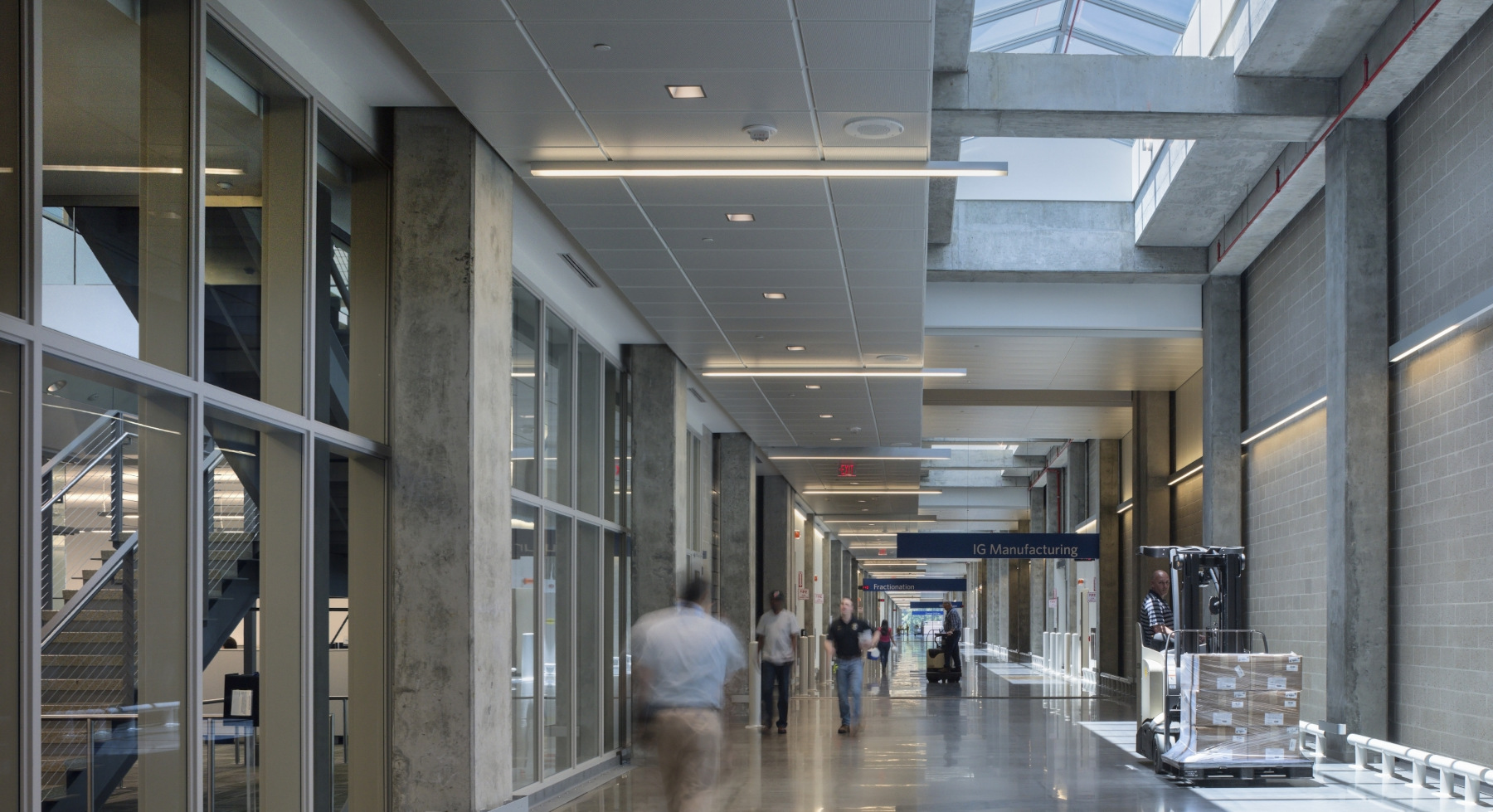
While automation aims to significantly increase efficiency and reduce labor costs, it will not necessarily result in reduced space requirements. We are likely to see more spaces where humans coexist with AGV and AS/RS systems, which often require wider corridors and higher ceilings for maneuverability and the safe, efficient flow of people, robots, and materials. The nature of work within these facilities and the skills needed for successful operations are also likely to change as labor needs shift to less equipment operation and more data analysis and monitoring.
With these advances, future-ready facilities will need the flexibility to adapt and accommodate emerging technologies and future expansions. Beyond operational improvements, advancing design technology such as building information modeling (BIM), computational design software, and AI – which support the creation of increasingly accurate digital twins of the process – can accelerate design and construction timelines, enabling manufacturers to respond quickly to market needs.
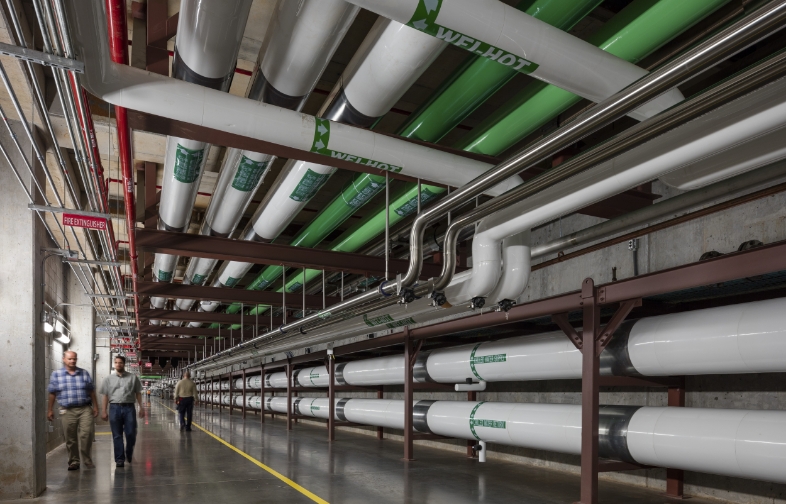
Balancing Increased Energy Demands and SustainabilityThe scale and volume of planned new biomanufacturing facilities, paired with greater data storage needs and the implementation of technology such as AI, which requires energy-intensive data centers, are expected to increase energy demand exponentially over the next decade. The question facing all manufacturers is how will they power these new facilities?
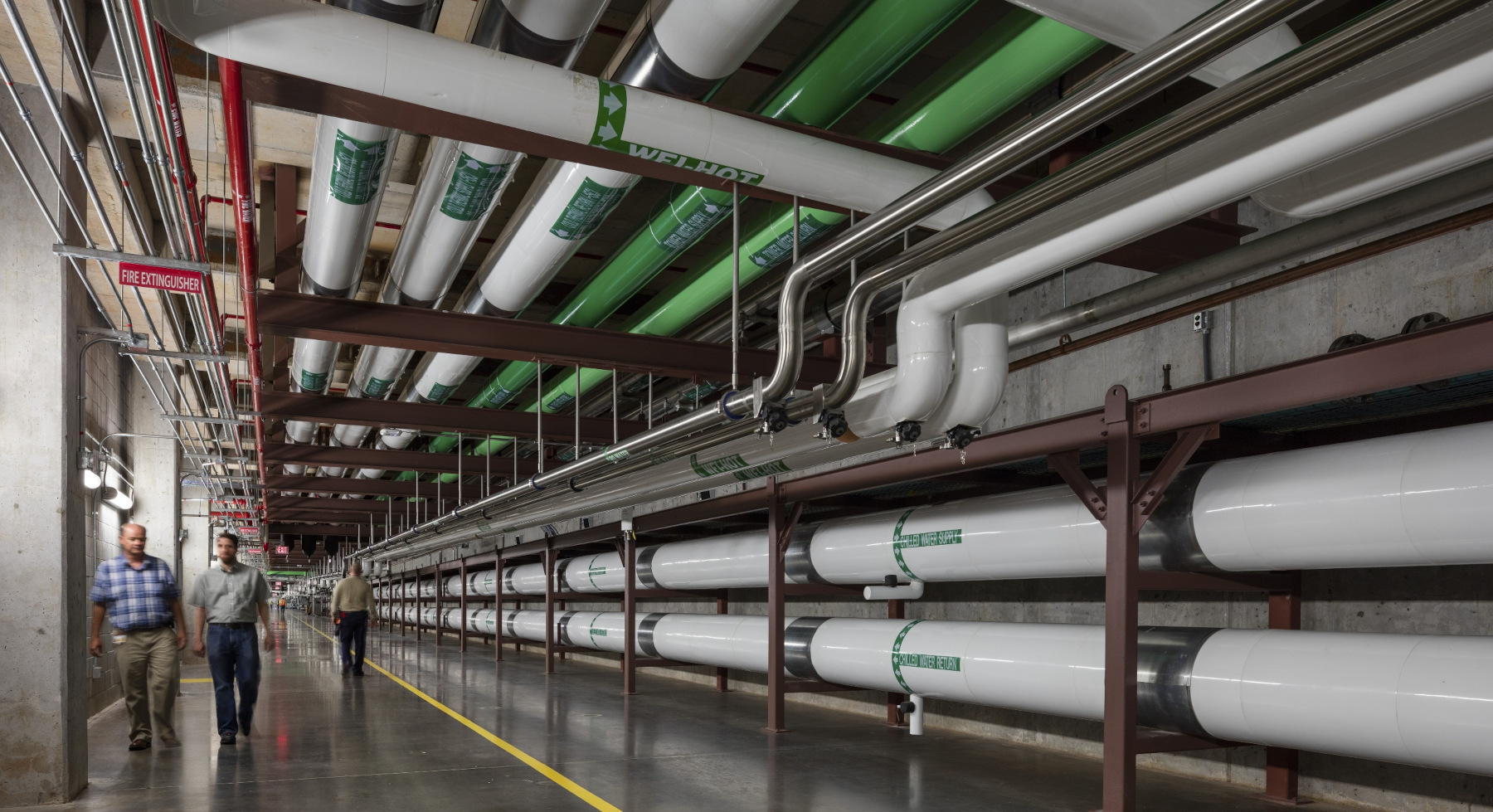
These energy demands increase the urgency to improve energy efficiency, and they complicate the challenge of meeting sustainability goals to reduce carbon emissions. Automation and effective use of data can lead to more efficient operations and energy use, but it will not completely offset the increased energy need. Facilities will need to implement energy-efficient building systems. Additionally, many power grids currently rely on fossil fuels. Although municipal power supply is often outside the scope of manufacturers' control, a long-term shift to renewable energy will greatly help to reduce the amount of pollution caused from increased energy use. In the meantime, electrification of facility systems is an important first step to prepare for a cleaner power grid.
Meanwhile, sustainability is not merely a goal but an expectation for many workers, particularly the younger generations who increasingly view an employer's environmental responsibility as a moral imperative. This shift in priorities will influence recruitment and retention strategies across the industry.
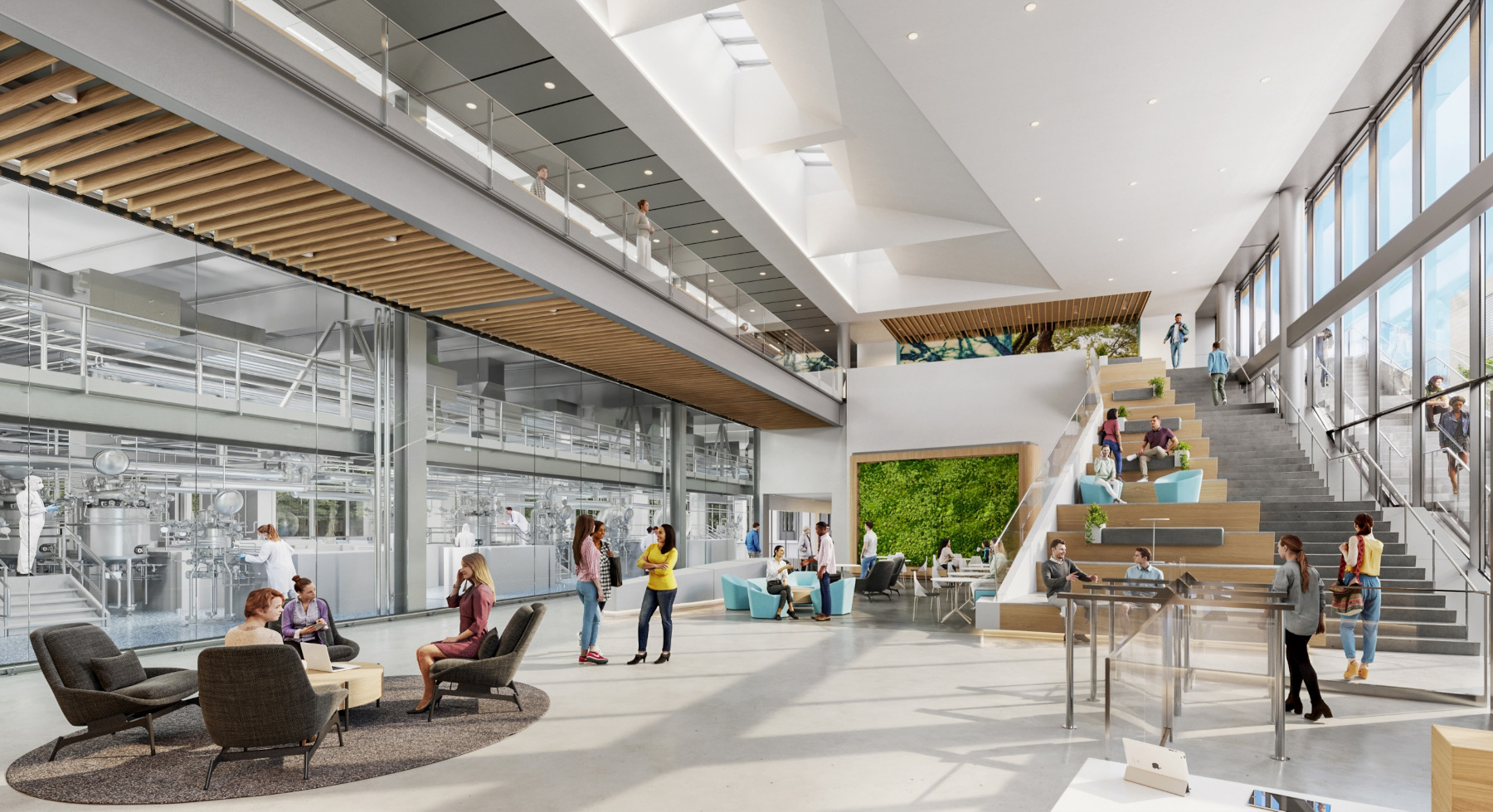
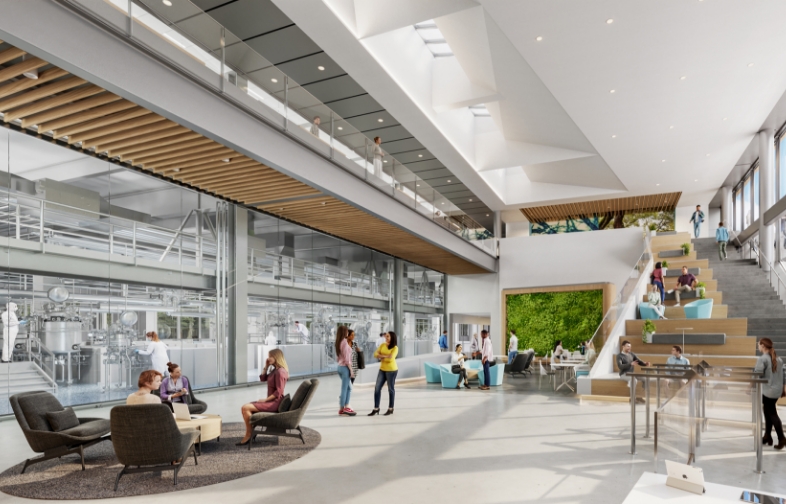
Empowering Humans to Thrive in an Automated EnvironmentDespite the increasing role of automation, human oversight remains essential, and we are far from a future where a manufacturing facility requires zero humans to operate. Yet, the impact of the human element on operational efficiency and quality is often underappreciated in facility planning. Supporting workers goes hand-in-hand with productivity. This human-centric approach is at the core of Pharma 5.0.
Though Pharma 4.0 has not yet been fully implemented industry-wide, firms can prepare for the next evolution by taking cues from Industry 5.0, which prioritizes people, not just productivity. This includes a focus on collaboration between people and technology and capitalizing on opportunities for technology to improve well-being. Effective design should let machines do what machines do best and let humans do what humans do best.
Designing a workplace that seamlessly integrates GMP efficiency with a commitment to human well-being creates conditions for people to thrive. When employees feel supported, comfortable, and valued, they show up with greater focus, engagement, and purpose, which elevates their performance and quality of work. Investing in well-being is not only good culture; it drives better outcomes on the manufacturing floor.
Even in highly controlled cleanroom and containment environments, there are meaningful opportunities, and a responsibility, to support the people who work within them. Thoughtful design elements such as access to daylight, visual connections to the outside world, intuitive workflows, and ergonomic considerations can enhance mood, clarity, and job satisfaction without compromising regulatory standards. By prioritizing human needs alongside environmental controls, these critical spaces become not just compliant, but genuinely supportive places to work.
In surrounding support areas, there is even greater potential to improve well-being. Creating welcoming, restorative spaces, such as comfortable breakrooms, flexible collaboration zones, or outdoor patios, offers employees a sense of balance and connection throughout the day. These environments foster community, encourage innovation, and serve as a powerful tool for attracting and retaining top talent. When well-being is embedded into the planning process from the beginning, it becomes a sustaining force that strengthens both organizational culture and long-term operational success.
Taking Advantage of a Rare OpportunityThis moment of industry growth and the promise of Pharma 4.0 and 5.0 present a rare opportunity to transform biomanufacturing and deliver better outcomes for patients worldwide. As a wave of new facilities comes online over the next decade, success will hinge on meshing technological advances with environments that support a healthy, adaptable, and high-performing workforce. Prioritizing human-centered design alongside digital innovation strengthens resilience, enhances productivity, and supports a more adaptive, future-ready organization. By aligning innovation with human-centered design and engaging a diverse group of stakeholders throughout planning, pharma and biomanufacturing firms can strengthen resilience, navigate complexity, and build facilities that are prepared to meet both current demands and the challenges of the future.