How Stakeholder Engagement and Data Analysis Guided a Building Transformation
SCUP North Atlantic Regional Conference
Monday, March 09, 2026
8:20 a.m. (Eastern)
Hartford, Connecticut
At the SCUP North Atlantic Regional Conference, project leaders from Yale will join Flad to discuss a recent comprehensive feasibility study to reposition an outdated office building as Yale's new biomedical research hub.
To maximize wet lab research in the outdated office building, the team performed a robust analysis of existing building conditions and diverse stakeholder needs, encompassing existing conditions, capacity, program needs, and operational efficiency. From this analysis, they developed a research environment framework that is flexible, repeatable, and maximizes ROI while meeting Yale's sustainability and design goals. Attendees will learn how to use data-driven, cross-functional planning to evaluate potential building transformation options in alignment with institutional goals and priorities.
Learning Outcomes:
- 1. Identify the quality and potential capacity of current systems and space through investigation and data analysis.
- 2. Apply benchmarking metrics to create a research environment framework that supports evolving science and technology.
- 3. Actively engage stakeholders to gain consensus and buy-in of the overall vision.
- 4. Prioritize investment in infrastructure and functional improvements to yield the highest return.
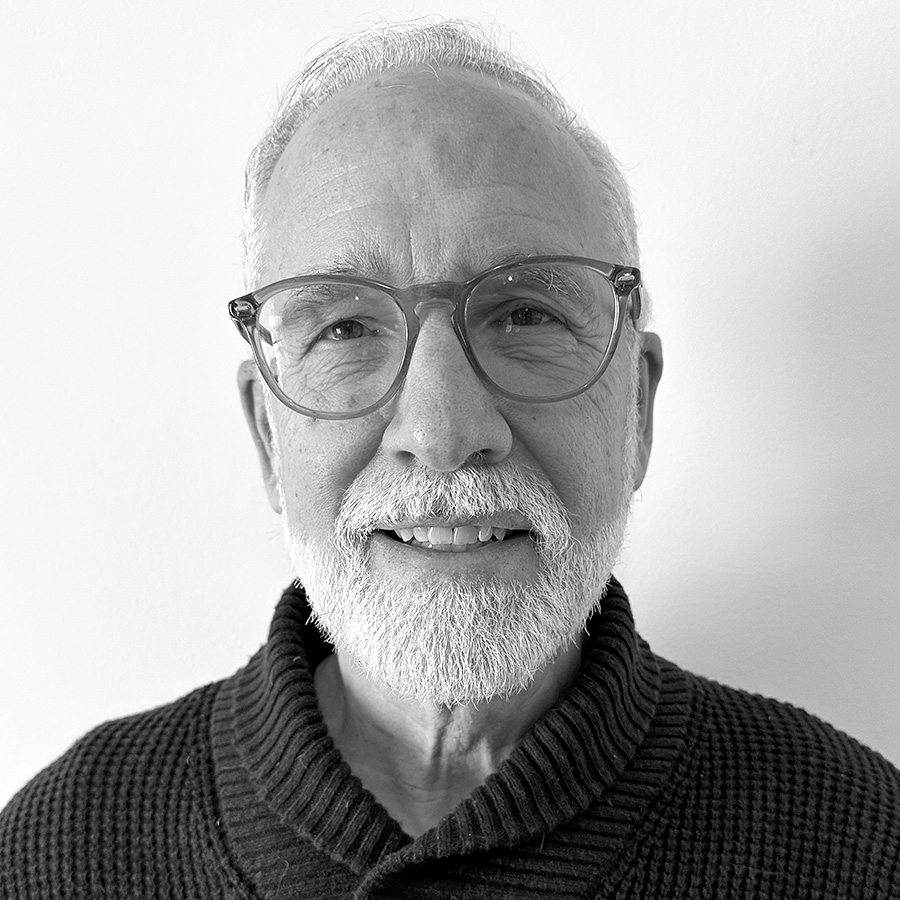 John Robitaille Senior Planner for Facilities Capital DeliveryYale University
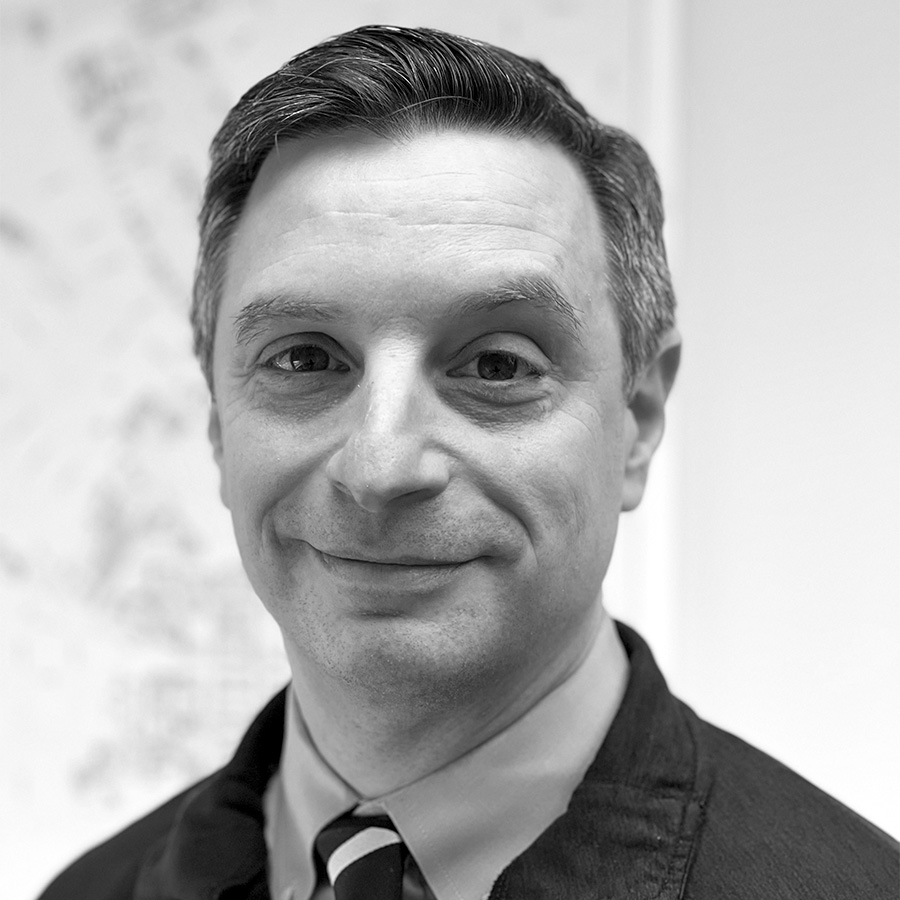 Joseph Schlosser Associate Director of Planning for the School of Medicine, Public Health, and West CampusYale University