


Texas A&M University
Health Science Center Medical Research and Education Building II
Responsive research spaces
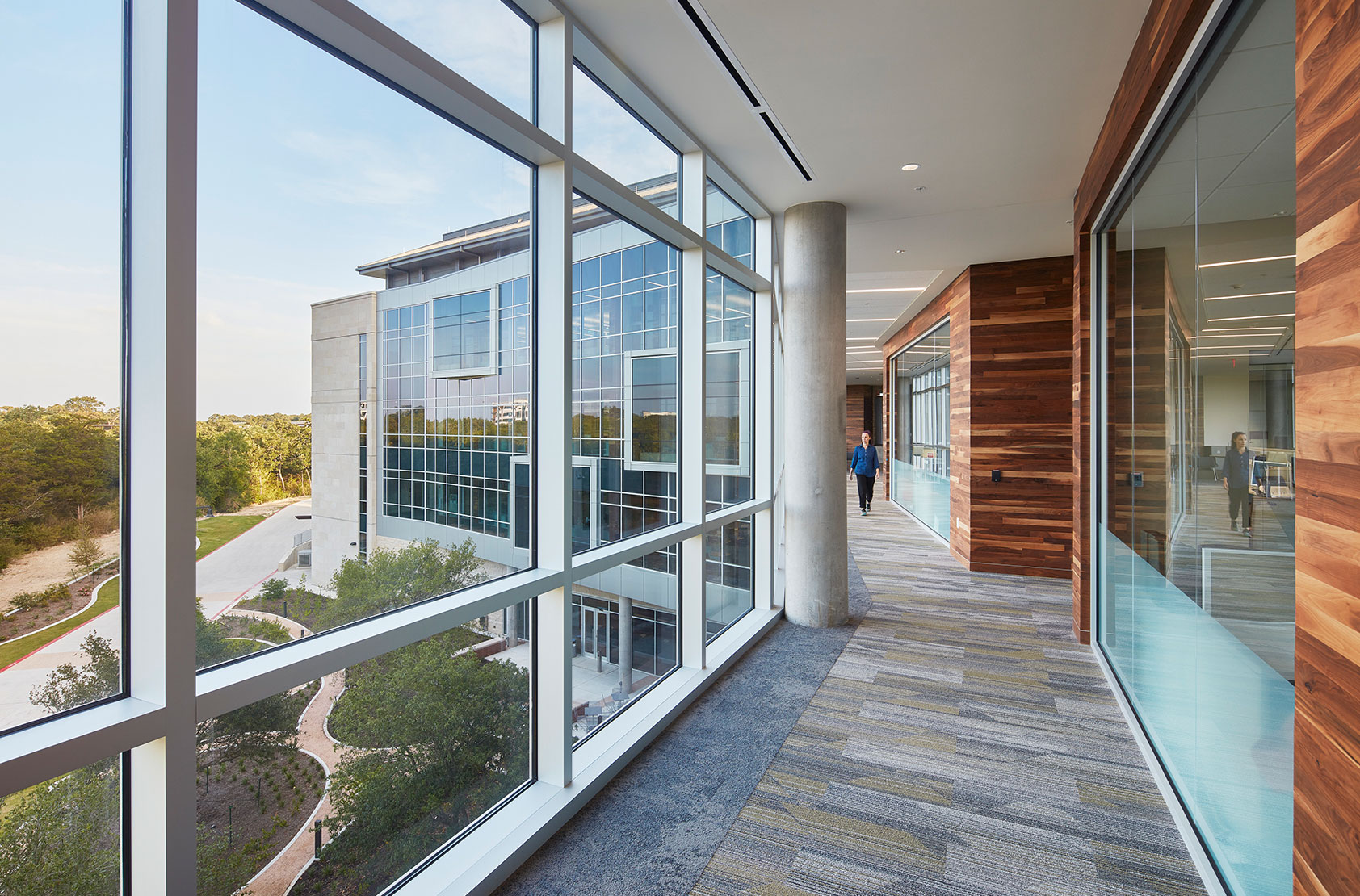
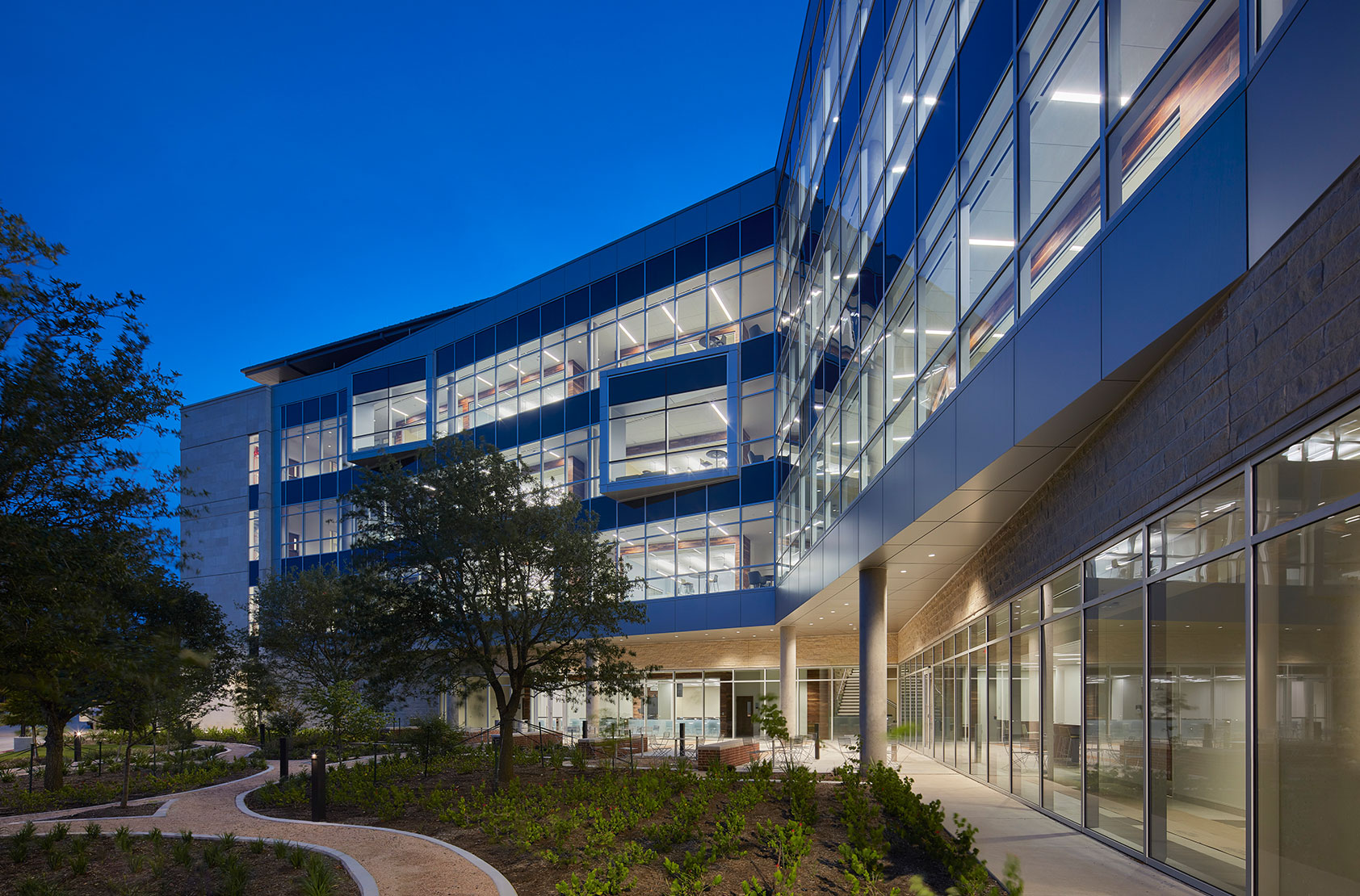
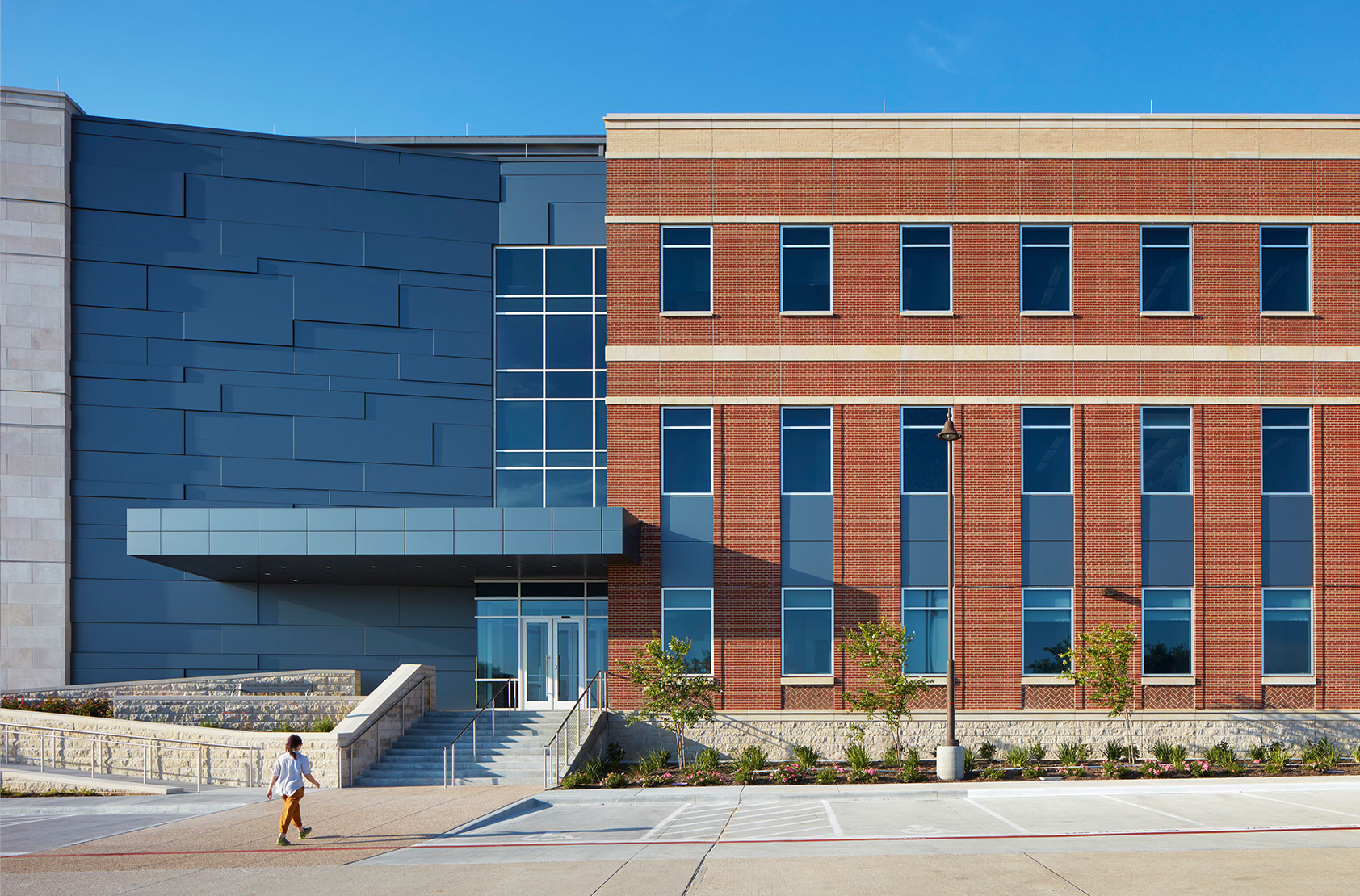
Envisioned as a state-of-the-art laboratory that will support evolving research activities at the Health Science Center, the MREB II project consists of a 48,200-square-foot expansion above two existing floors of the Medical Research & Education Building (MREB I) and the construction of a new, connected facility of 122,800 square feet.
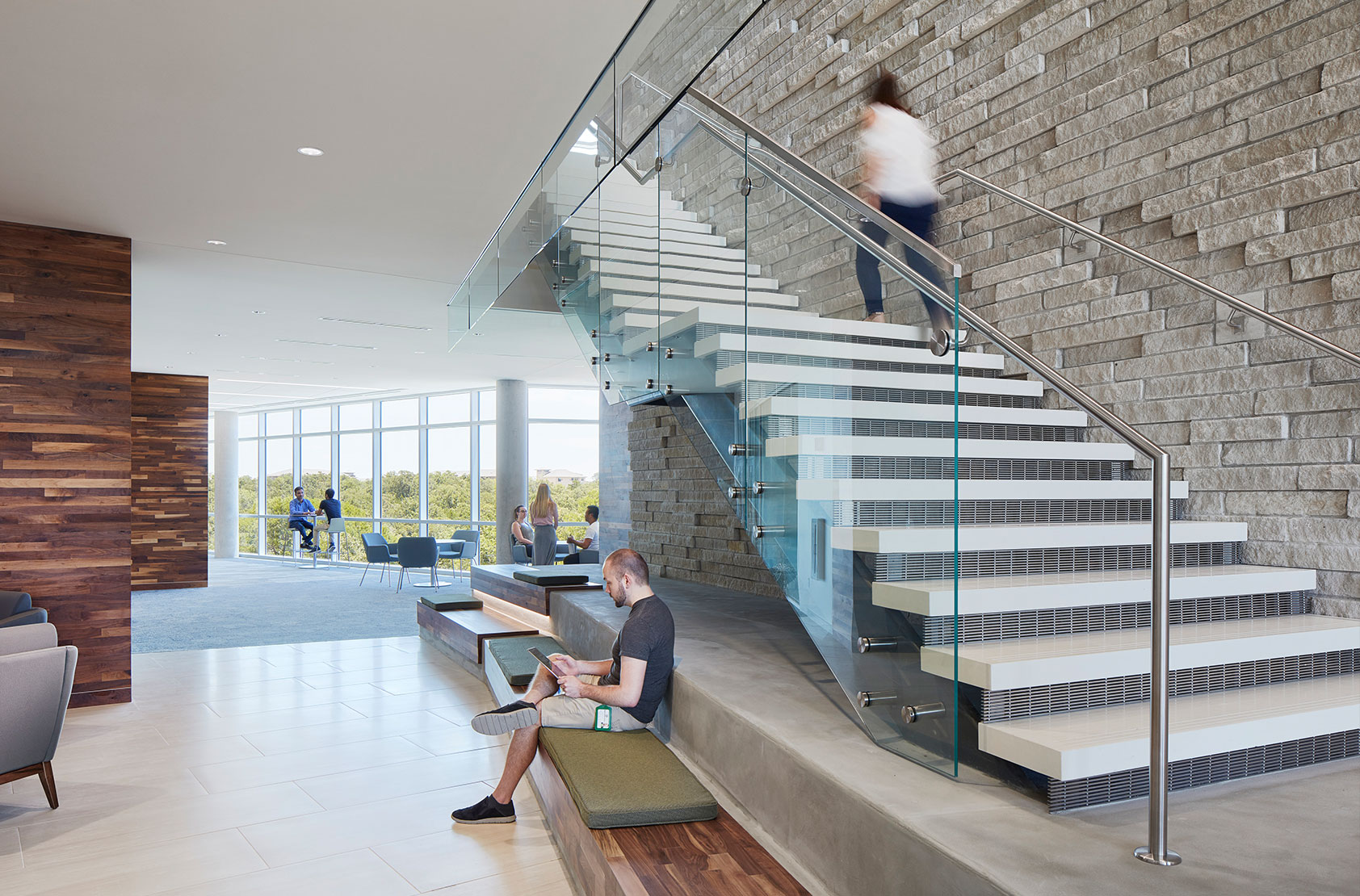
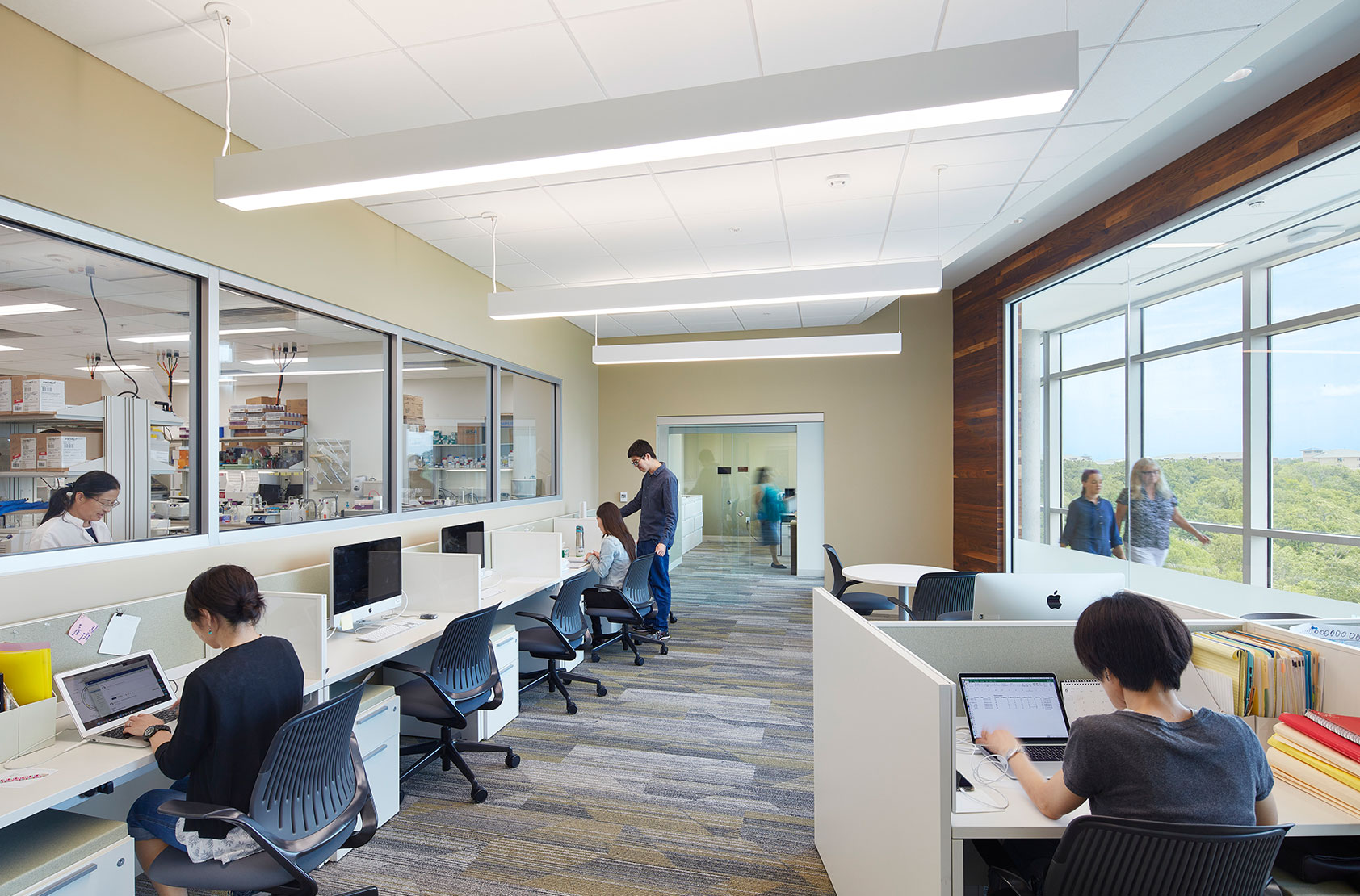
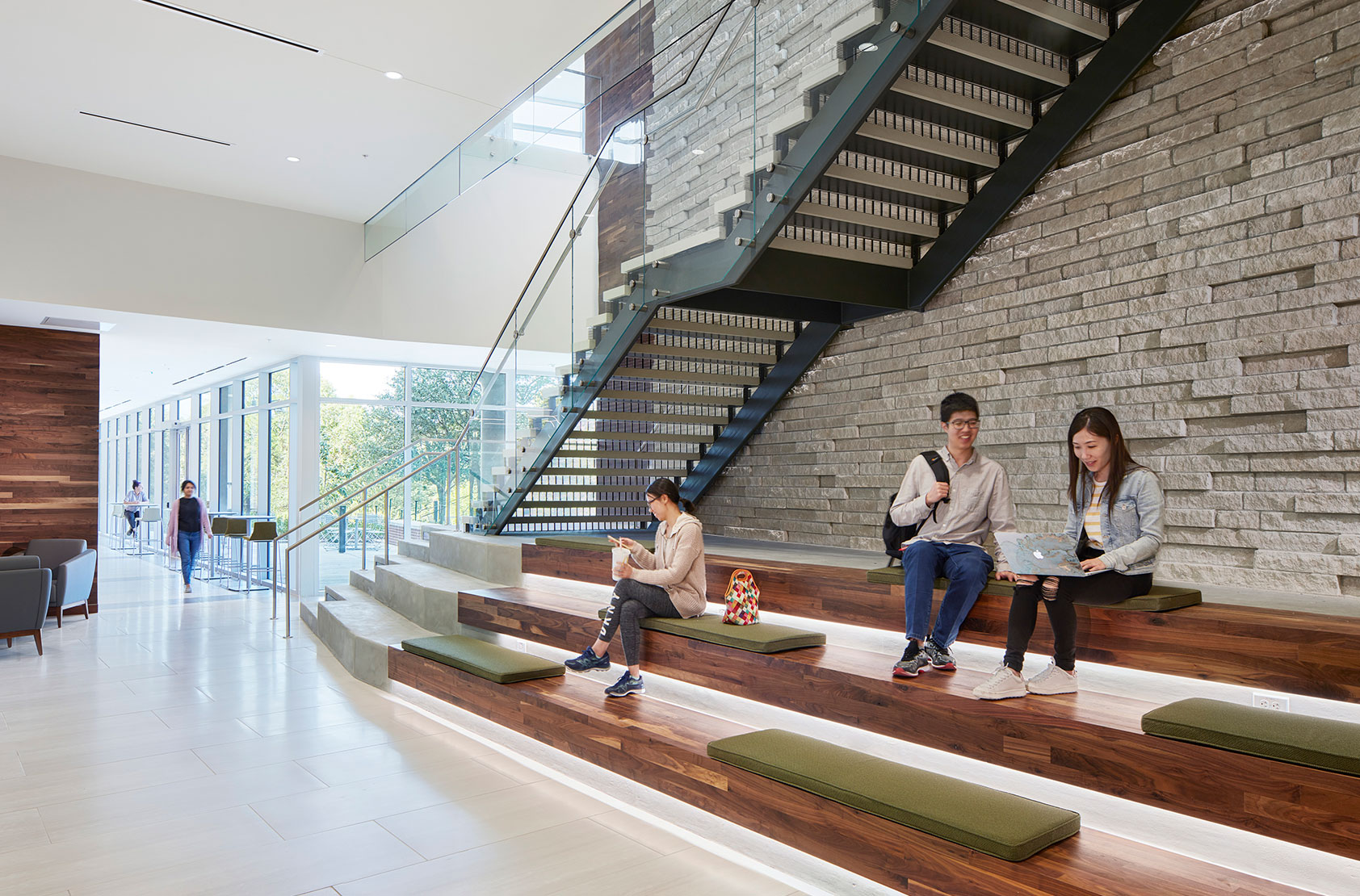
The new spaces – research laboratories, laboratory support, and associated offices, where different disciplines will come together to learn from each other and stimulate research processes – thoughtfully respond to the needs of the researchers, students, and faculty they serve. Movable casework, flexible partitions, and mobile workstations quickly and easily reconfigure, allowing the building to continuously evolve as technology and facility needs change.
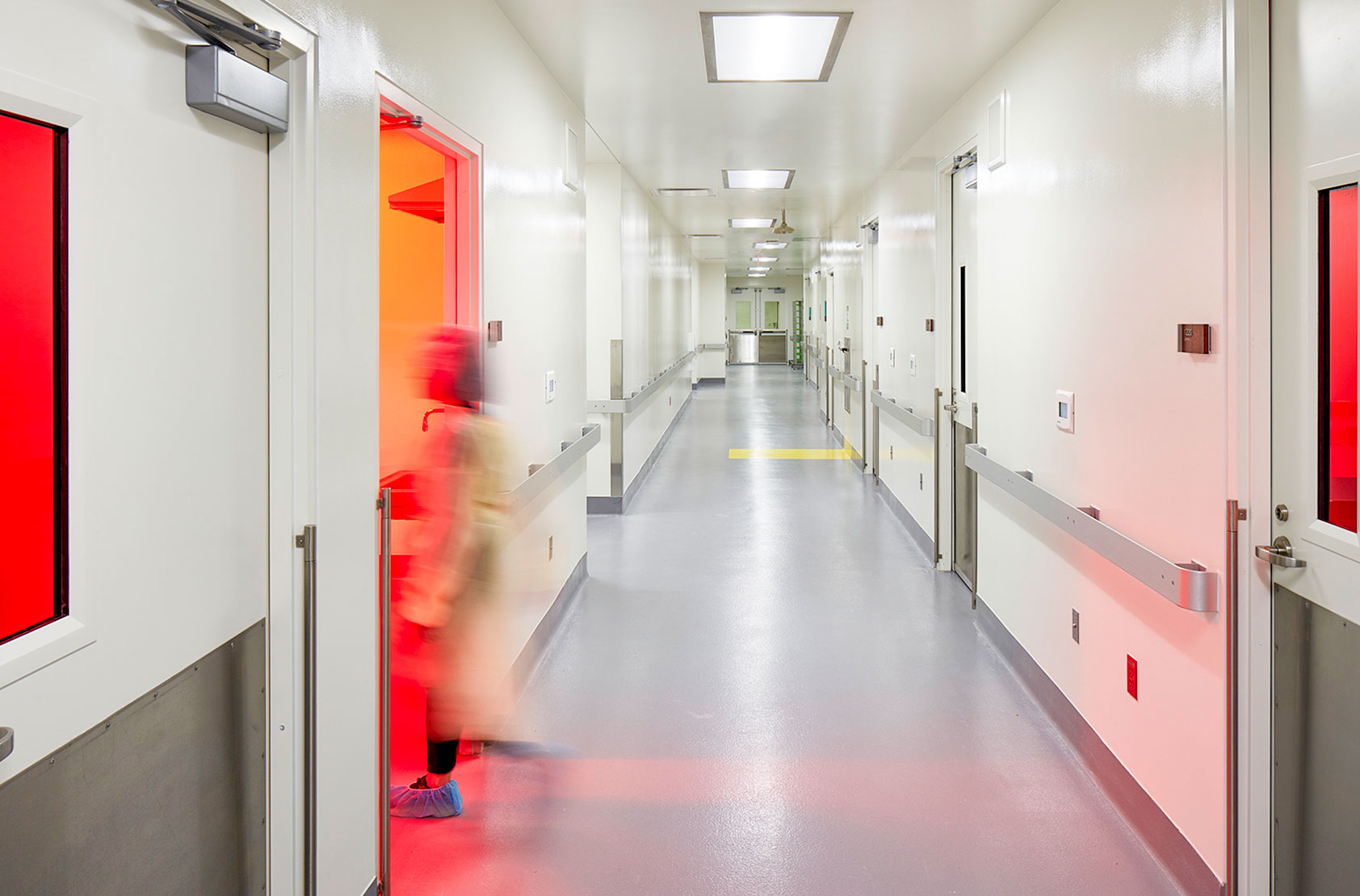
The project includes expansion of existing research facilities in the MREB I, as well as expansion of an existing BSL-3 laboratory and the addition of essential core facilities, associated offices, shell space for future build-out, and a 200-student multidisciplinary teaching lab. The MREB II will be dedicated primarily to state-of-the-art laboratories and lab support for biomedical research and physiology-based research.
The new facilities are a clear expression of the dynamic disciplines they serve and a strategic response to the continuing growth of the Texas A&M System.