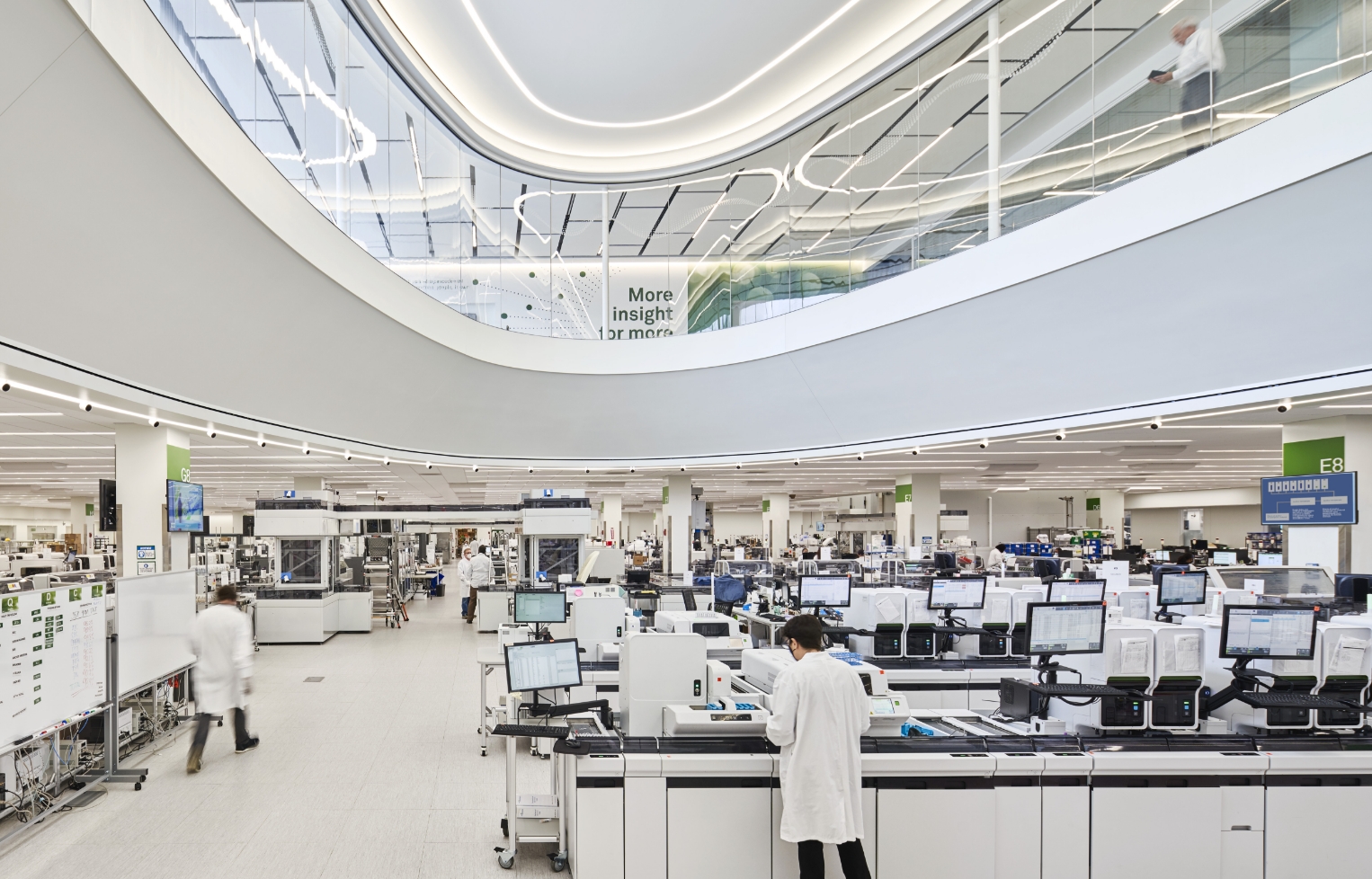
Planning the Next Generation of Clinical Diagnostic Laboratories



Whether confirming a diagnosis, monitoring chronic disease, screening for illness, or supporting preventative care, clinical laboratory testing provides crucial information that will influence most medical decisions throughout a patient's care journey. For this reason, accurate, timely test results are critical.
Today, rising rates of chronic disease, an aging population, expanded preventive care options, and advances in laboratory technology are driving increased testing volumes. As demand for clinical diagnostic testing continues to grow, both healthcare organizations and commercial laboratory companies are evaluating how laboratory services are delivered and exploring new models to improve capacity, efficiency, and access.
For many organizations, investing in centralized, stand-alone clinical diagnostic testing facilities allows for more efficient, high-throughput testing. This translates to faster, more reliable results for more patients. It can also help drive revenue for the entire health system, which ultimately supports better patient outcomes.
Transitioning to a Stand-Alone Clinical Diagnostic Core Laboratory Model Many hospital laboratories were designed decades ago or are housed in adapt-to-fit spaces to support a different level of testing demand and instrumentation. As a result, they lack the physical capacity to scale up to meet future demand. Relocating high-volume and esoteric laboratory testing operations to a dedicated off-campus clinical diagnostic facility allows for integration of total lab automation while freeing up more space on the main campus for healthcare systems to allocate to direct inpatient care such as surgery, the emergency department, and other timely procedures.
Beyond considerations for capacity, consolidating laboratory operations into a purpose-designed centralized testing facility, serving multiple hospitals, clinics, and affiliate entities, improves operational efficiency while reducing operating costs and redundant resources.
Given the acuity of care many organizations manage, centralized laboratories are increasingly viewed as a strategic imperative, providing the high‑reliability, rapid‑response diagnostic infrastructure essential to their patient care model. Maintaining testing within their own system allows organizations to maintain full chain‑of‑custody control and retain work that might otherwise be sent out. This improves cost efficiency by keeping billable tests in‑house. Additionally, many large healthcare systems are expanding their services by performing high‑volume and esoteric testing for their patient care catchment area and affiliated providers. This approach provides the added benefit of strengthening relationships across their network by positioning the system as the preferred diagnostic partner.
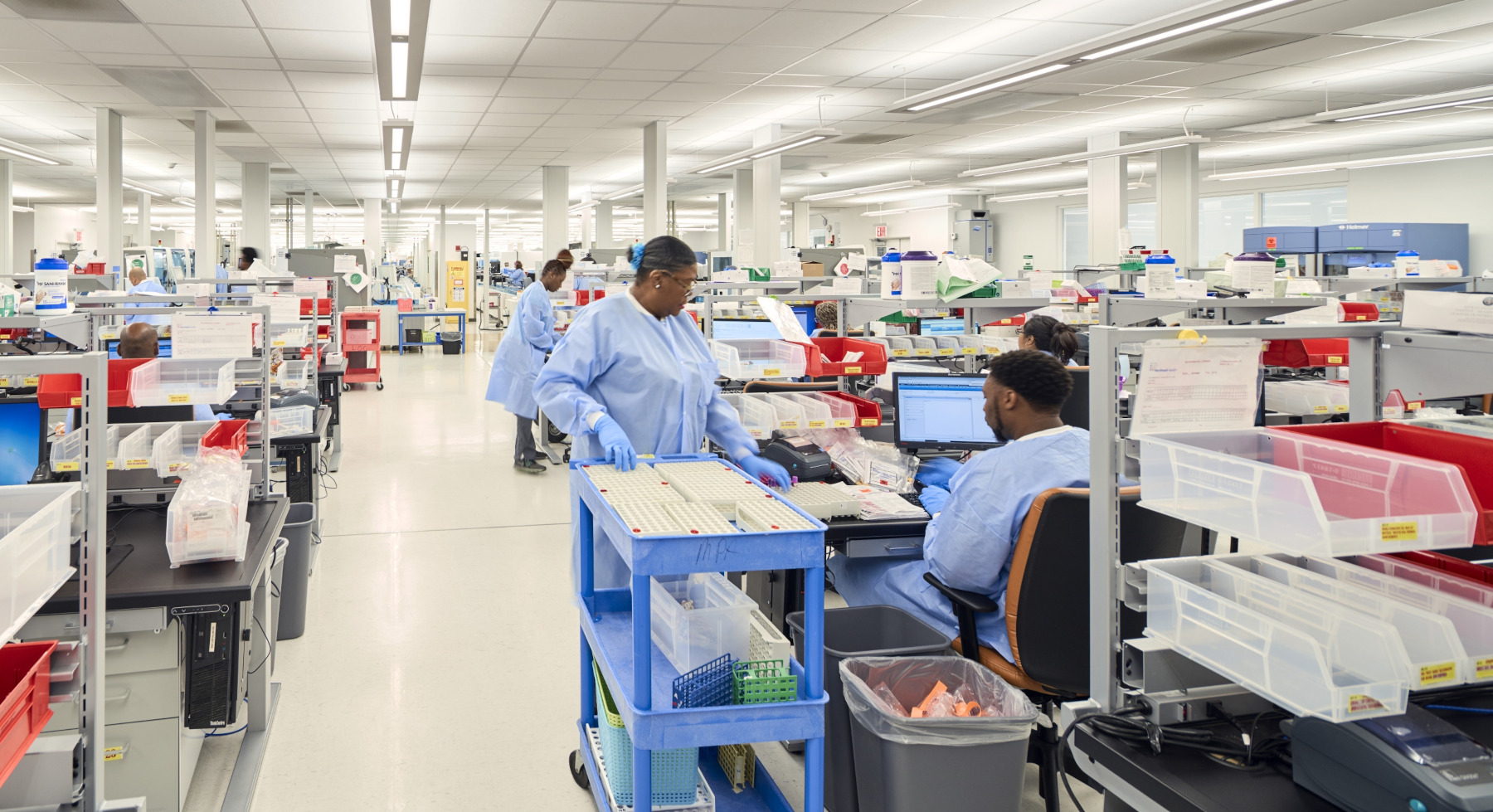
Unique Space Requirements for Clinical Laboratories Every aspect of a clinical laboratory facility must support accurate, reliable patient results while meeting rigorous regulatory and accreditation standards. Laboratories performing testing on human specimens must comply with the Clinical Laboratory Improvement Amendments (CLIA), with certification granted by the Centers for Medicare & Medicaid Services (CMS). Many organizations also pursue accreditation through the College of American Pathologists (CAP), which establishes additional quality and patient safety standards. These requirements influence everything from workflow and documentation to equipment placement, environmental controls, and quality assurance processes.
Meeting these regulatory requirements will influence decisions from early strategic planning through all phases of design. Ultimately, every design decision should support one goal: deliver consistent, regulatory-compliant, accurate results effectively and efficiently.
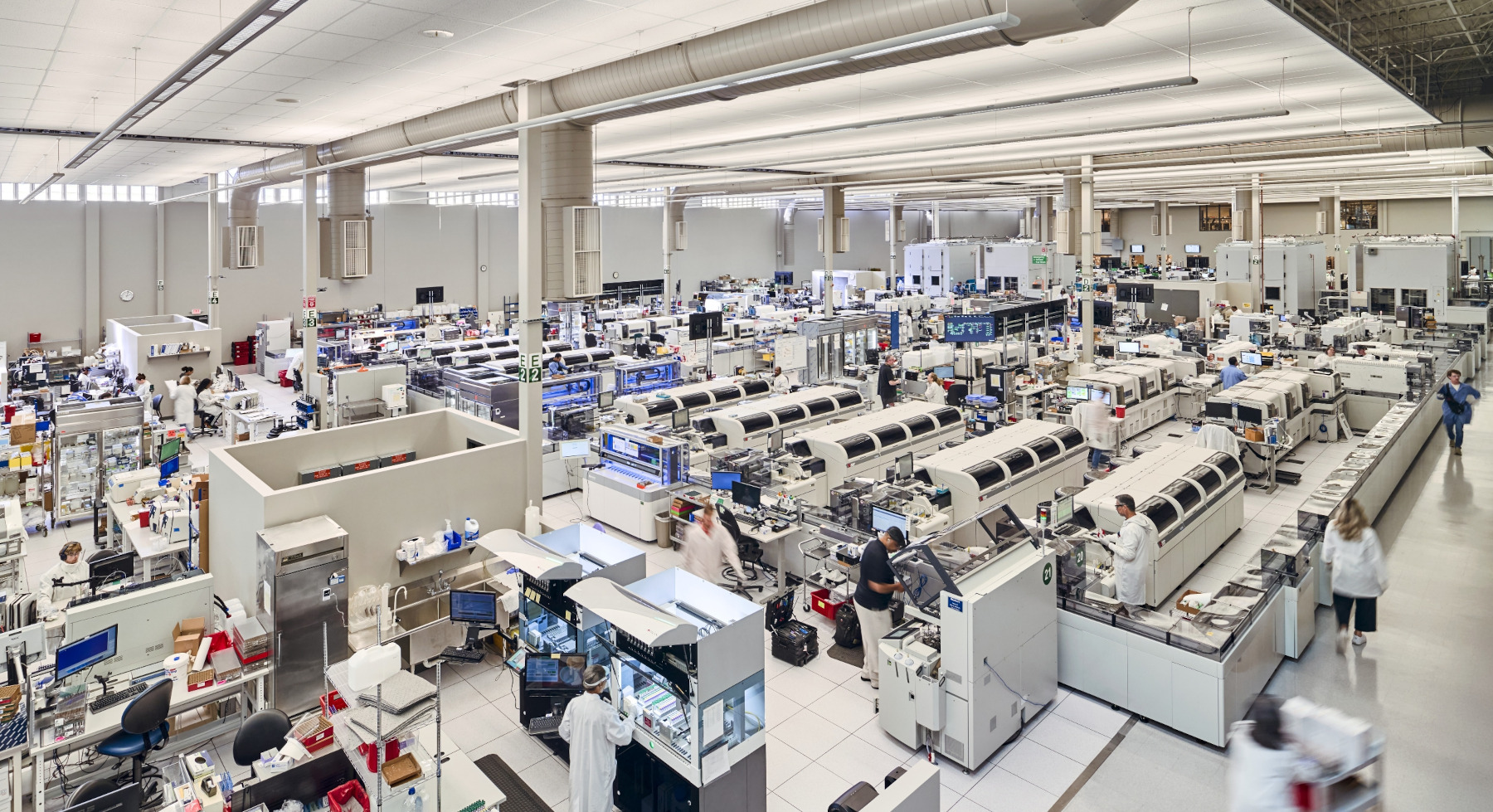
Planning for Future Demand and Scalability When planning for a centralized laboratory, one of the first questions healthcare organizations must address is the future growth forecast for the next several years and beyond. This often begins by analyzing recent year-over-year growth. Future demand will be shaped by multiple factors, including service‑line growth, population trends, emerging diagnostic technologies, and the organization’s expansion and acquisition plans.
These are a few examples of additional questions that should be addressed early in planning to determine the size and space needs of the building:
- Which diagnostic service lines require main‑campus placement to ensure appropriate proximity to inpatient facilities and support acuity of care?
- What testing services will the laboratory provide?
- What is the organization’s current workload and staffing model?
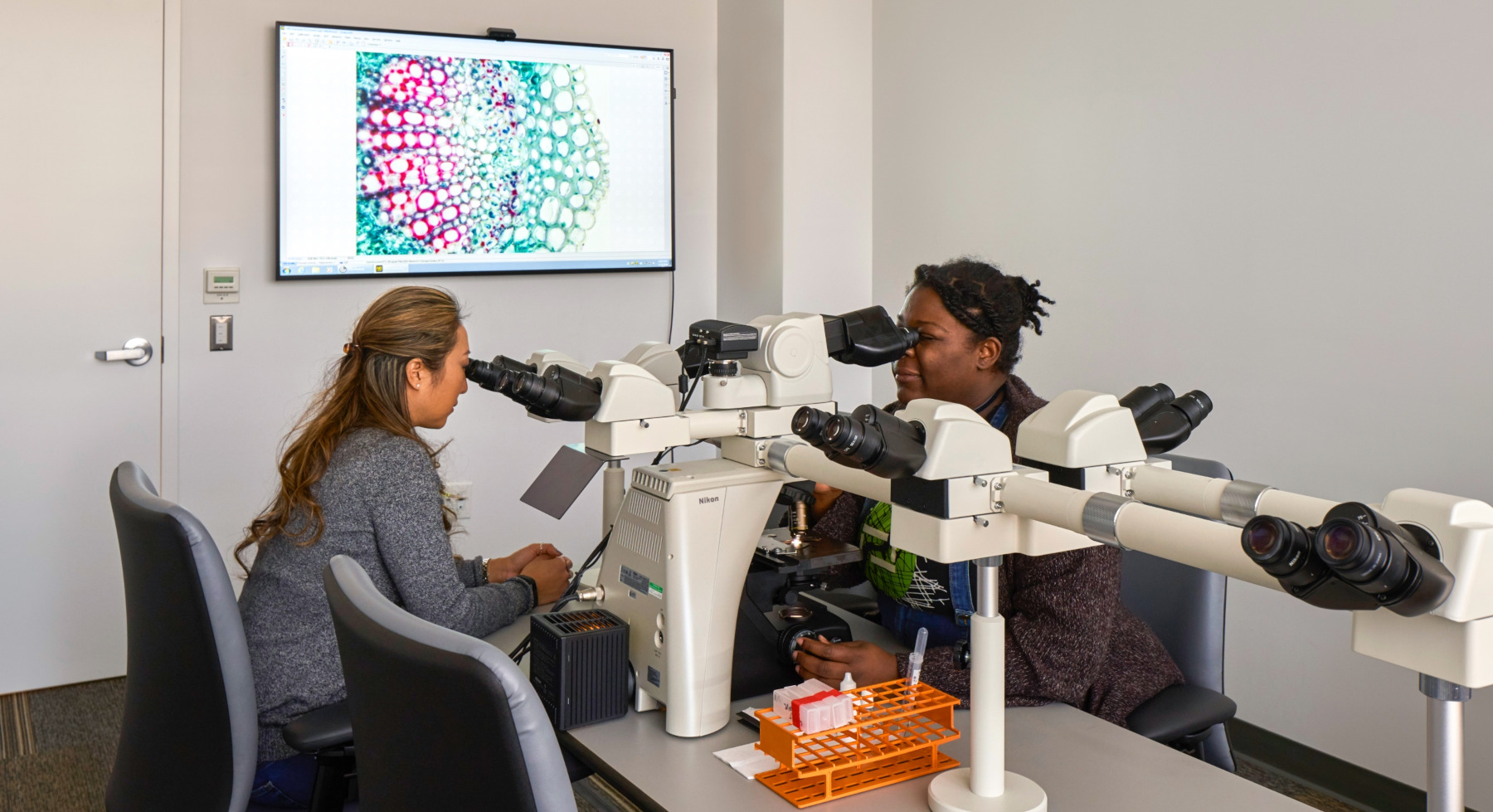
- What future services or technologies, such as total lab automation and digital pathology, might the facility accommodate?
Build New or Lease an Existing Facility? Another important early strategic decision is whether to construct a new facility or lease and fit up an existing or built-to-suit building. Building a new laboratory offers the greatest flexibility. Spaces can be designed specifically around an organization’s workflows, automated systems, and equipment while allowing room for future expansion. New construction generally requires a larger upfront investment and a lenghtier acquisition timeline, though it may offer better long-term value through improved operational efficiency and adaptability.
Renovating a suitable existing building usually allows organizations to begin operations more quickly and with lower initial capital costs. In some markets, leasing may be the only practical option if there is no available land nearby. However, existing structures may present constraints or challenges that need to be addressed, such as concerns related to previous use, load capacity, existing utility and mechanical infrastructure, or floor-to-ceiling heights, along with future expansion opportunities.
The ideal strategy will depend on organizational goals, available capital, project timeline, and local market conditions.
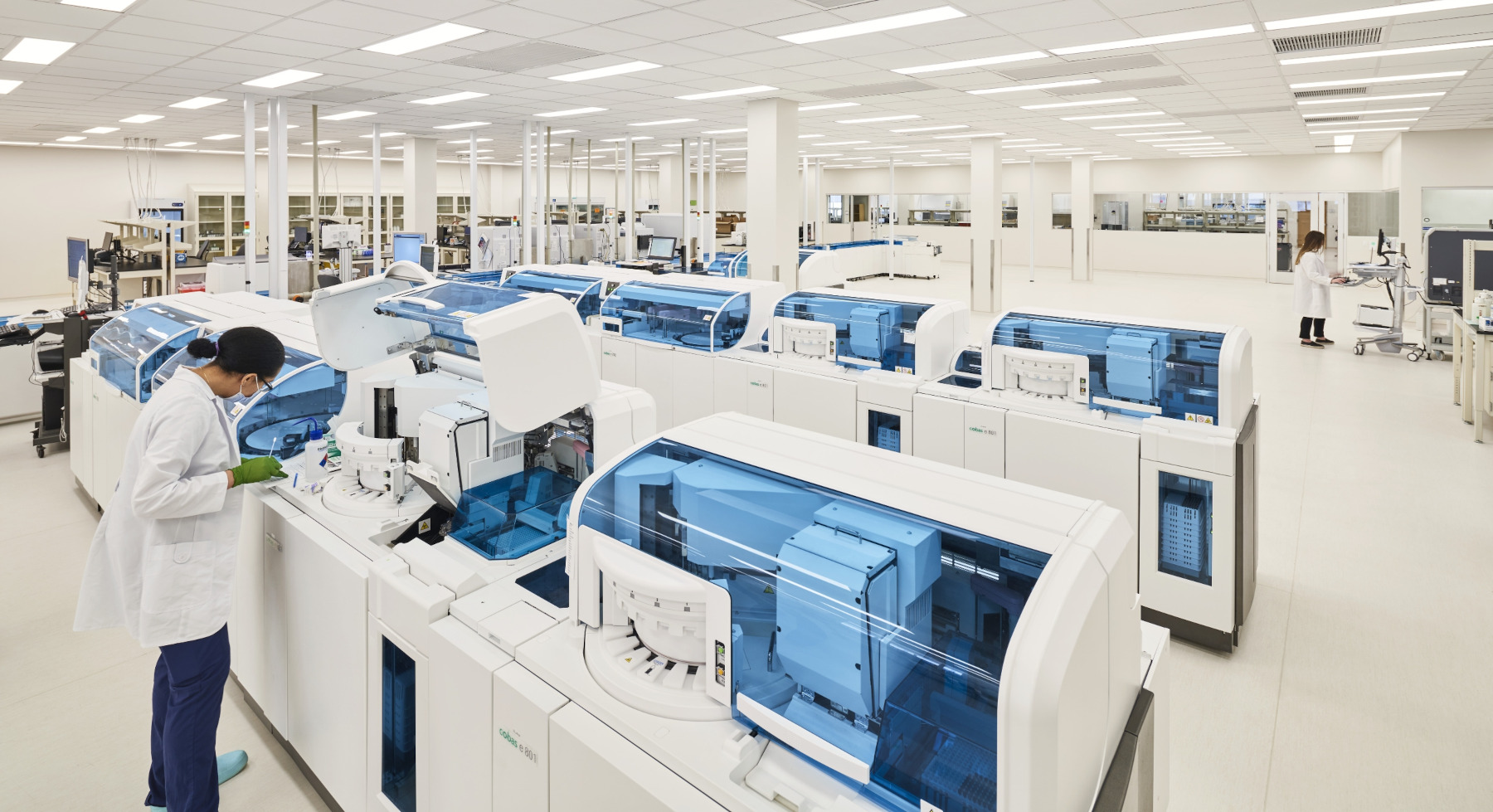
Characteristics of High-Performing Clinical Diagnostic Facilities While each laboratory is unique, successful clinical diagnostic facilities share several common characteristics.
Efficient, End-to-End Workflows The pre-analytic, analytical, and post-analytic movement of samples and specimens through the laboratory should be as seamless as possible, from receiving through testing, analysis, storage, and disposal. Lean workflows enable consistent turnaround times and staff productivity by reducing unnecessary movement, eliminating bottlenecks, and minimizing manual handling and cross contamination.
Designed for Automation Today's laboratories rely heavily on sophisticated instrumentation, robotics, automated specimen handling systems, digital pathology, and laboratory information systems.
These technologies improve accuracy and throughput and require careful planning. Equipment dimensions, utility requirements, maintenance access, and future replacement strategies should all be considered during design. Returning to the idea of planning for the next several years and beyond, facilities should be designed to accommodate equipment that may be implemented in the future, not just day one.
Resilient Infrastructure Clinical laboratories operate continuously, and any significant downtime directly affects patient care by delaying critical results. Prolonged interruptions can also erode revenue and weaken the care model, forcing greater reliance on external send‑out partners for testing that would otherwise be performed in‑house. Reliable operations depend on robust and resilient electrical systems with backup power, redundant HVAC infrastructure, IT systems, and reliable environmental controls. These building systems protect laboratory operations and patient care by mitigating unexpected disruptions that impact operations.
Flexible, Future-Ready As diagnostic testing technology continues to evolve. Facilities should be planned with flexibility to accommodate new workflows and equipment as well as future test volumes. Modular design and adaptable utilities will allow for future space configurations and can help reduce future renovation costs.
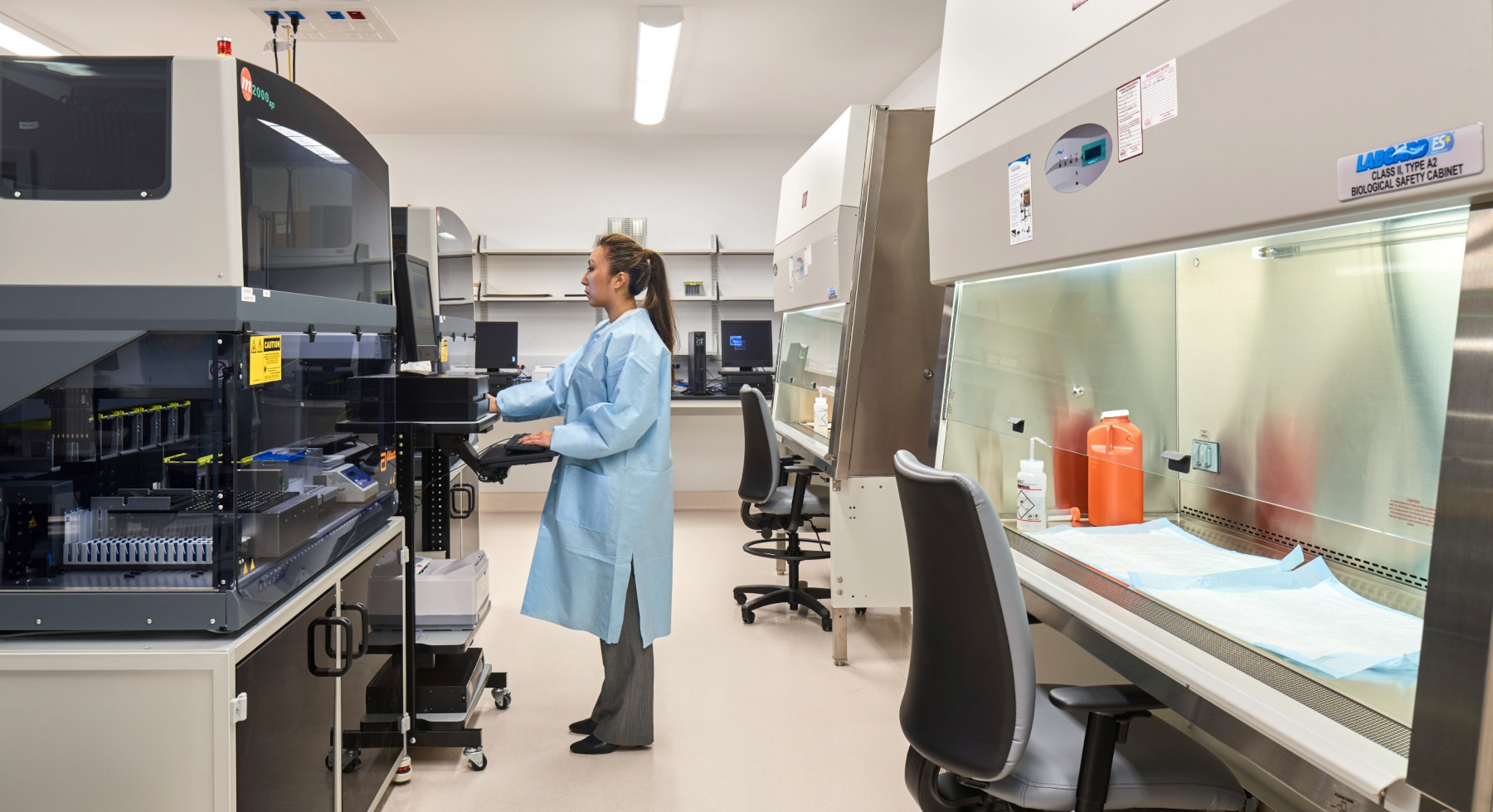
Specialized Planning Expertise Provides Long-Term Value A clinical diagnostic laboratory is a uniquely complex environment and a strategic capital asset that directly influences both patient care and financial performance. Ensuring that it is designed to meet an organization’s needs today and well into the future is essential. Successfully integrating efficient workflows, regulatory requirements, automation, pre‑investment for emerging technologies, infrastructure resiliency, and long‑term growth demands specialized expertise.
One of the most significant planning considerations is analytical equipment and instrumentation. Diagnostic analyzers and automation systems often represent one of the largest investments for a project. An experienced planning team can offer guidance on equipment specification and procurement along with utility and workflow requirements.
Working with clients on gap analysis, we provide valuable benchmarking data and operational best practices drawn from our experience to compare future projections against similar projects. This knowledge helps organizations make more informed decisions to future-proof their facility.
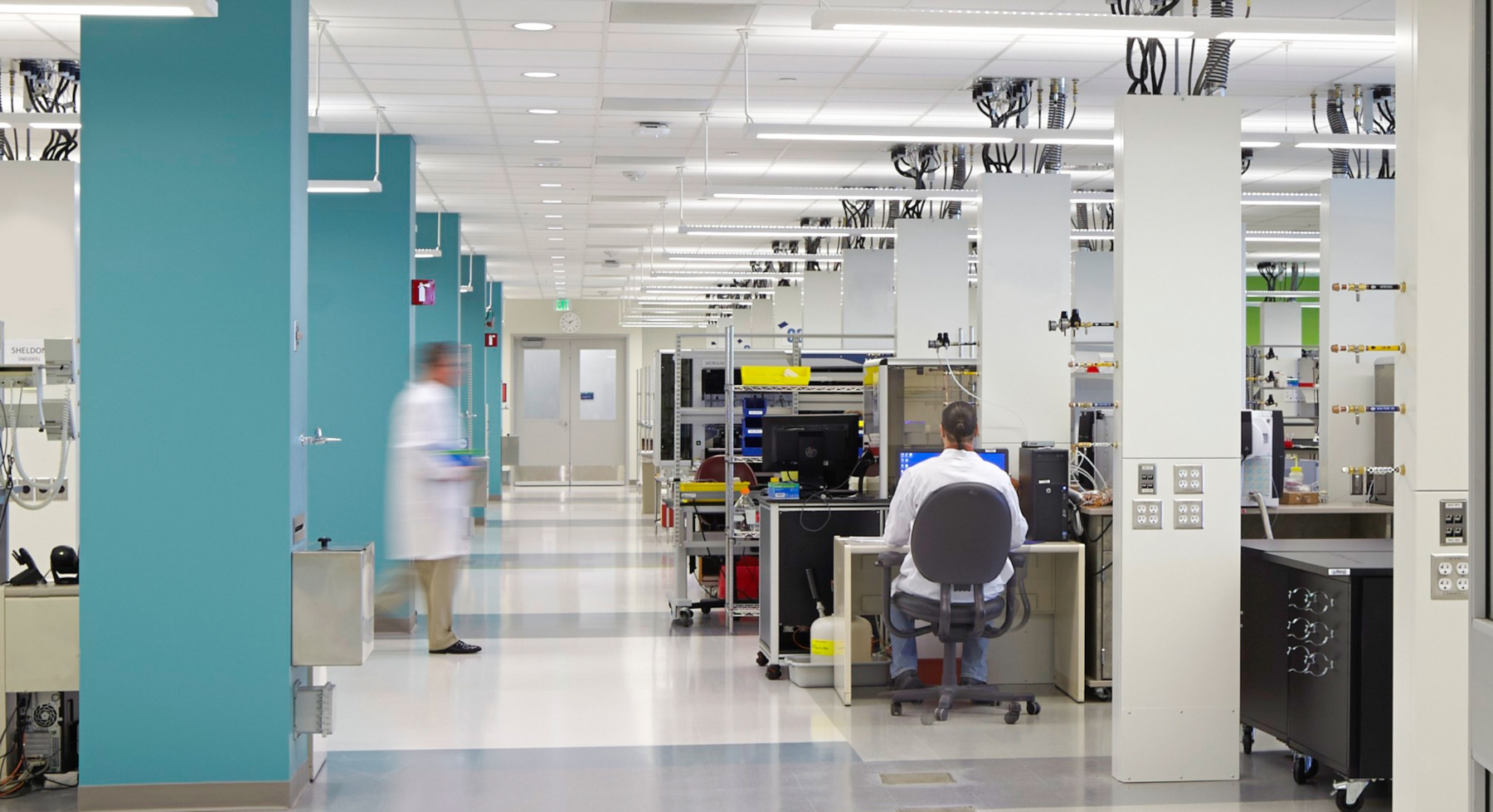
Planning for Day One and Beyond Demand for clinical diagnostic testing will continue to grow as advances in healthcare allow for earlier diagnosis and more effective preventive care and treatment therapy. Meanwhile, advances in automation and digital technologies are impacting how laboratories operate and how healthcare organizations deliver diagnostic services.
Successful clinical diagnostic facilities combine efficient workflows with effective planning and resilient infrastructure to create a flexible, compliant environment that will support future technology and growth. With a strategic planning approach to clinical diagnostic testing laboratory projects, healthcare organizations can improve efficiency, enhance patient care, and provide lasting value for years to come.